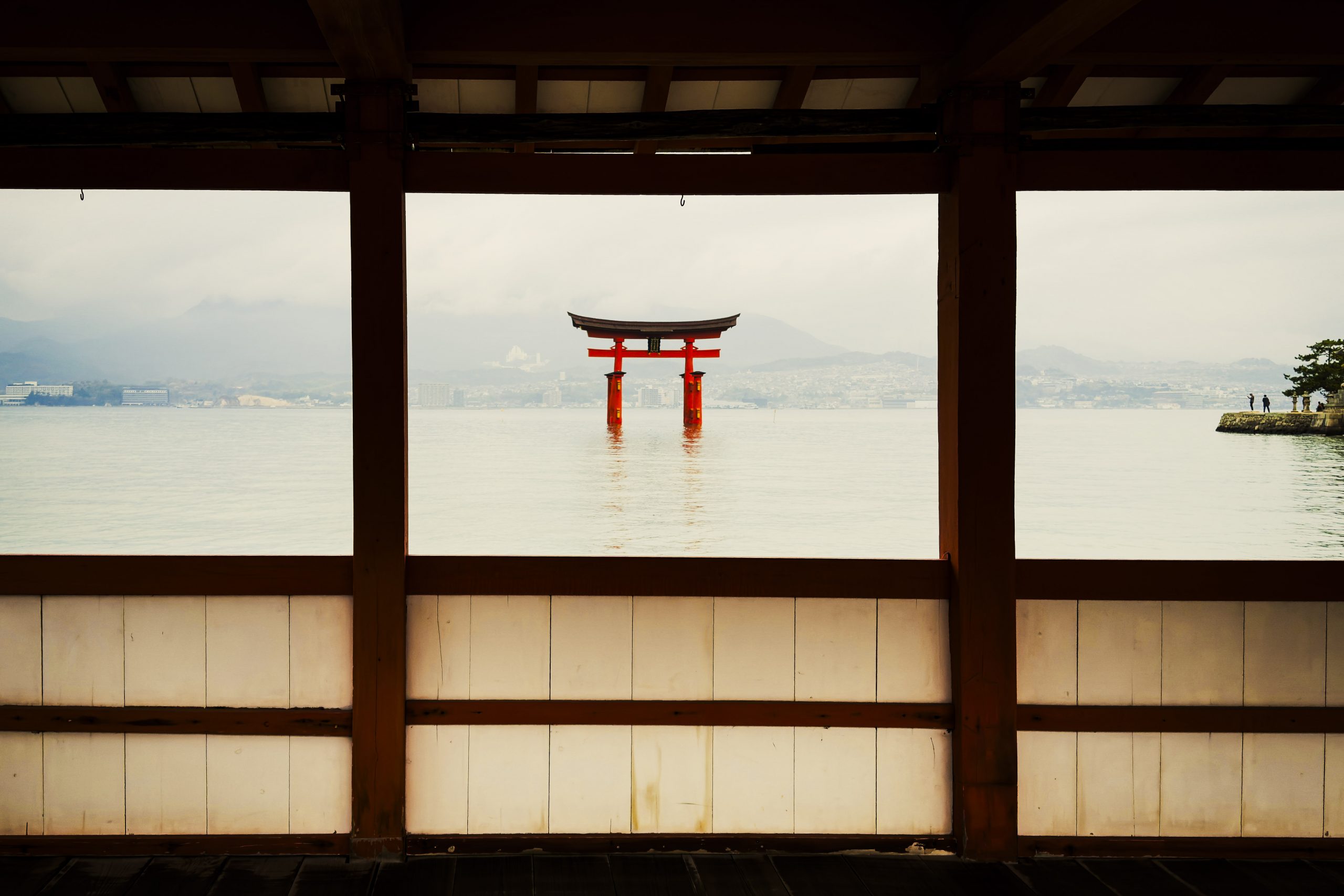
Catching the first train out of Hiroshima, the day starts in that half-awake blur. The carriage fills with school kids in uniforms, hopping on and off at small stations, their chatter and sleepy faces pulling you straight back to your own school days. By the time you roll into Miyajimaguchi Station, the city has slipped away and the sea takes over. Out across the water, you catch it—the faint outline of a red torii gate, hovering above the surface. You walk down to the JR ferry, hop on with commuters and day‑trippers, and as the boat pulls out, the torii slowly sharpens from a smudge into a symbol: you’re really on your way to Miyajima.
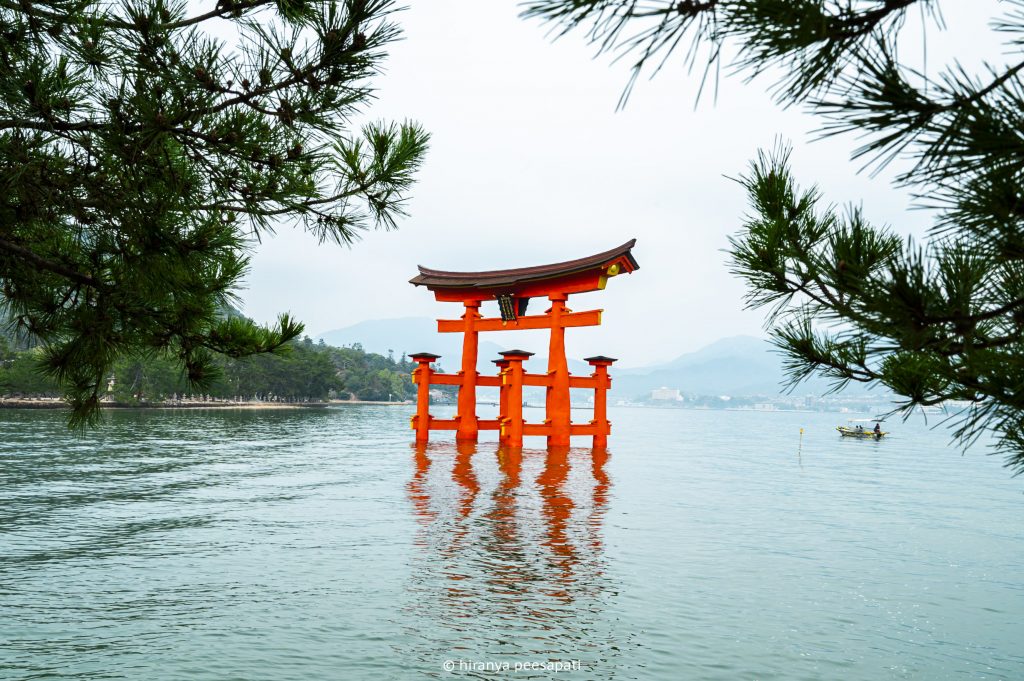
Torii Gate Invitation
Stepping onto the island, everything feels just a bit slower. Shops are waking up, the air smells faintly of salt and grilled snacks, and the sound of waves sits underneath it all. Ahead, the famous vermilion gate of Itsukushima Shrine stands in the water like it’s been there forever. Miyajima has long been treated as a sacred island, a place where mountains and sea are part of the shrine itself, and you can feel that history in the way people naturally lower their voices as they walk.
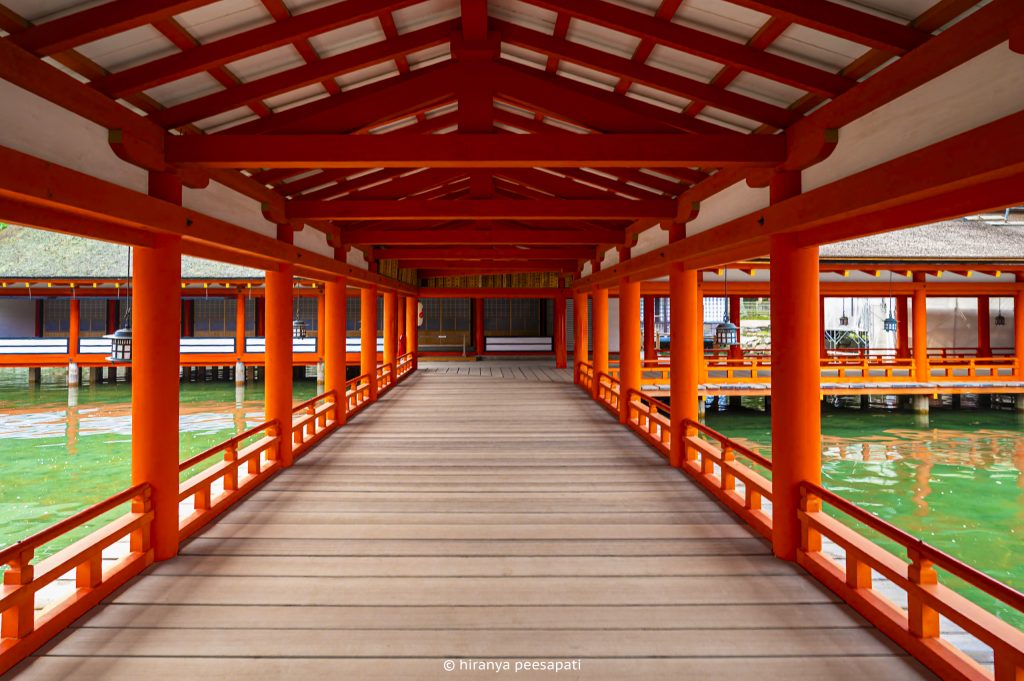
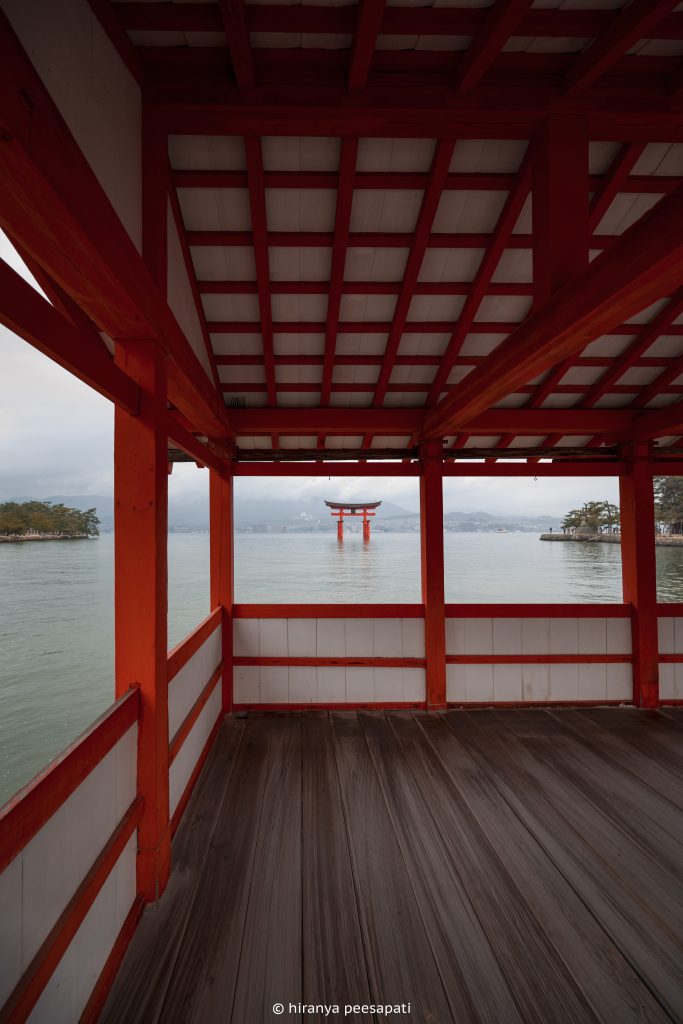
Floating Corridors
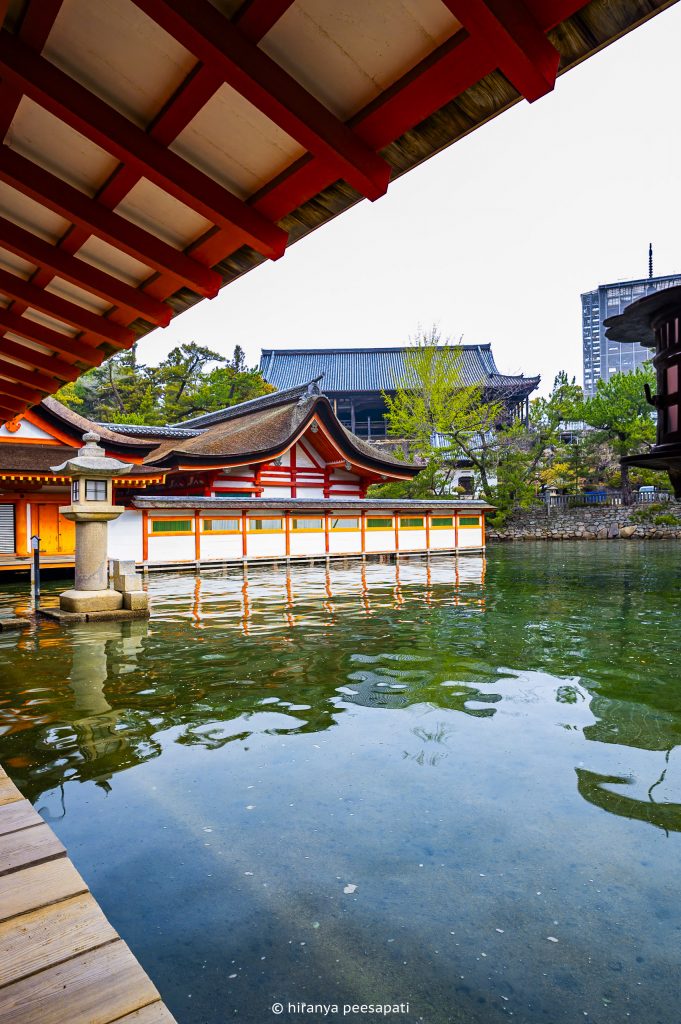
Inside Itsukushima Jinja, the island’s “floating” shrine, the mood shifts again. Wooden corridors stretch out over the water, held up on stilts, so that at high tide the whole complex seems to hover just above the sea. It’s a dream setting for photos: perfectly repeating pillars, clean lines, and soft light bouncing off the water. You fall into a simple rhythm—walk a few steps, pause, frame a shot, breathe. The symmetry is soothing. Even without the camera, it feels good just to follow those straight lines, listening to footsteps on the boards and the distant wash of waves under the floor. Here, stillness isn’t empty; it’s full of everything you came to Japan hoping to feel.
Some places don’t ask for your attention—they earn your silence instead.
Deer in the Village
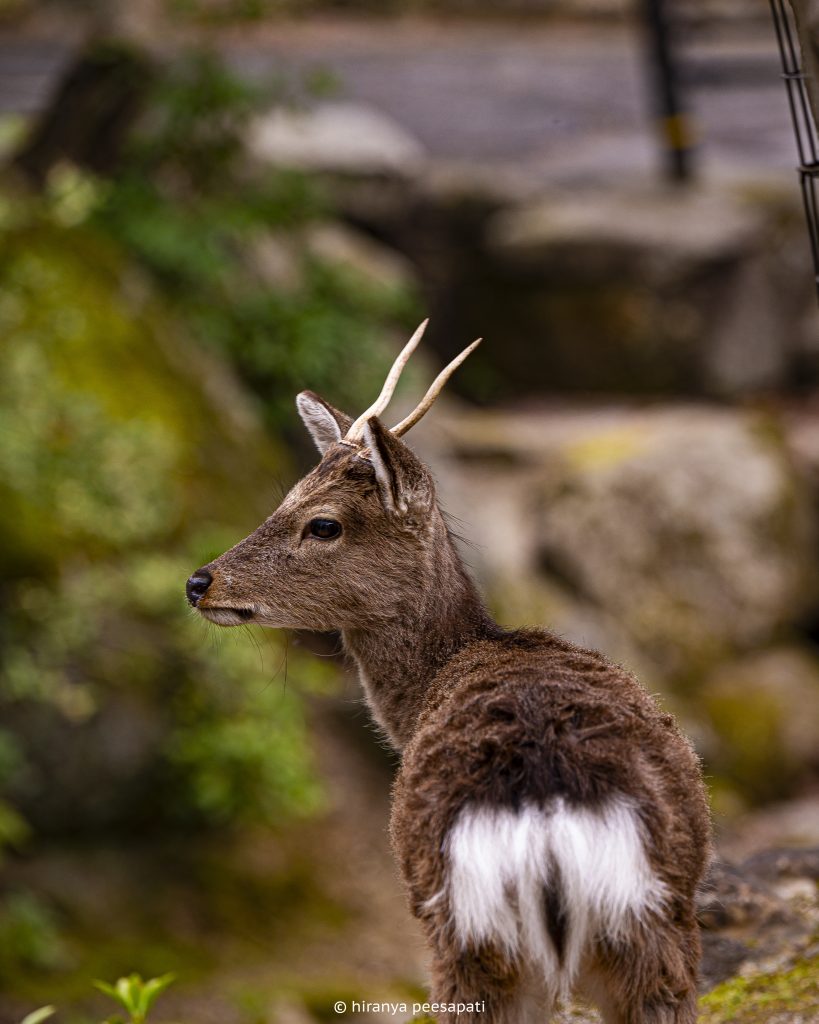
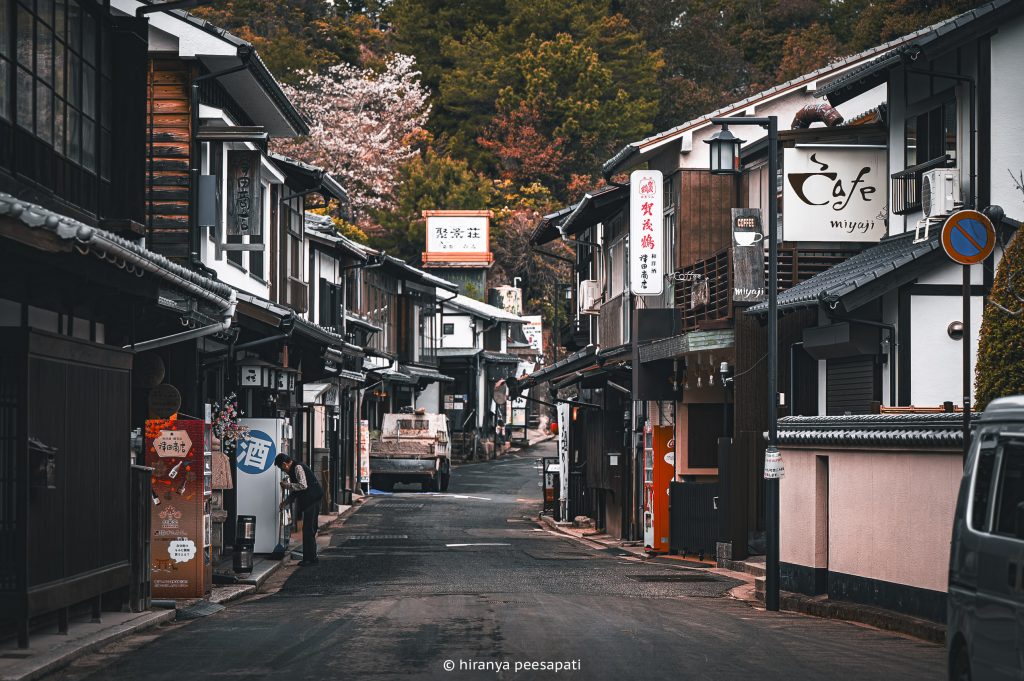
Leave the shrine behind and Miyajima shows a more casual side. The village streets are lined with wooden buildings, small shops, and food stands tempting you with skewers and sweets. Then come the locals you can’t miss: the deer. They wander around like they own the place—stepping into courtyards, standing in the middle of paths, or just flopping down in the shade. They’re mostly uninterested in you unless you’re obviously holding food, but sharing the street with them makes the island feel half-wild and very alive.
Climb to Daishoin
The path to Daishoin temple starts to climb, and the noise of the waterfront fades behind you. Stone steps wind up through trees, past mossy rock walls and small corners of prayer. Here, the deer often turn up again—one standing on a stair like a quiet gatekeeper, another rustling through leaves just off the path. The higher you go, the calmer it gets. The island’s “temple island” character really sinks in here: shrines and statues tucked into the hillside, each one adding another layer to the story of this place.
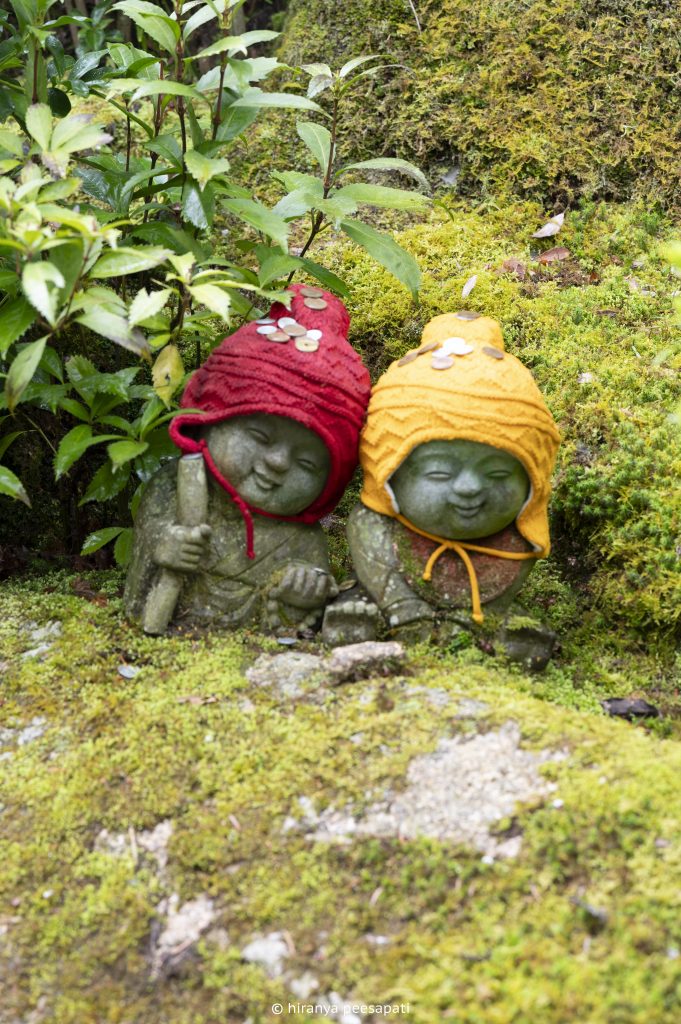
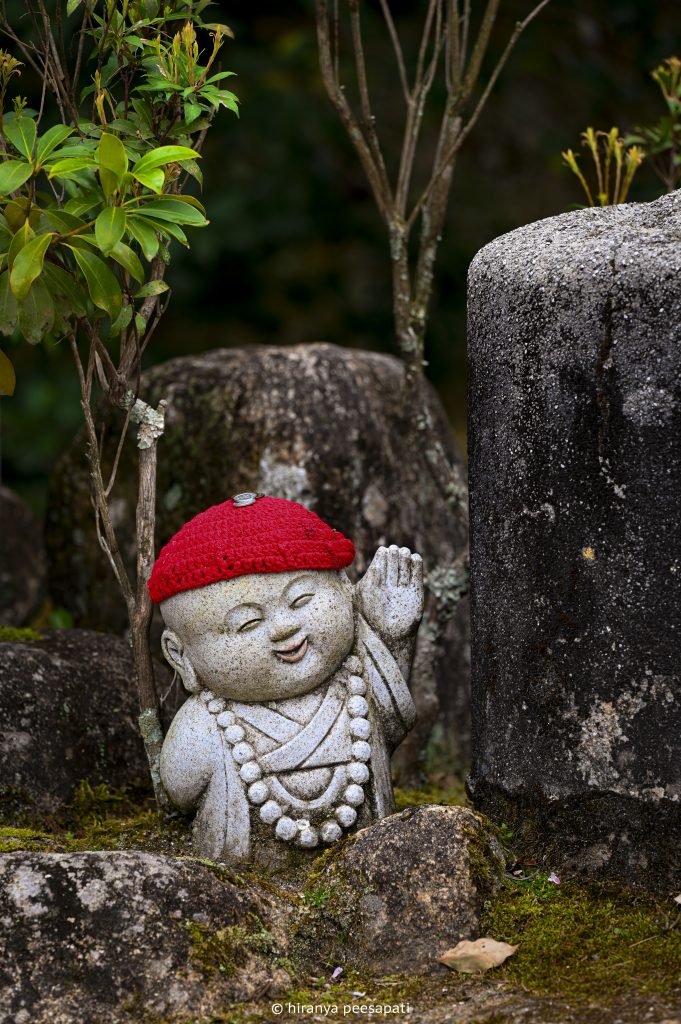
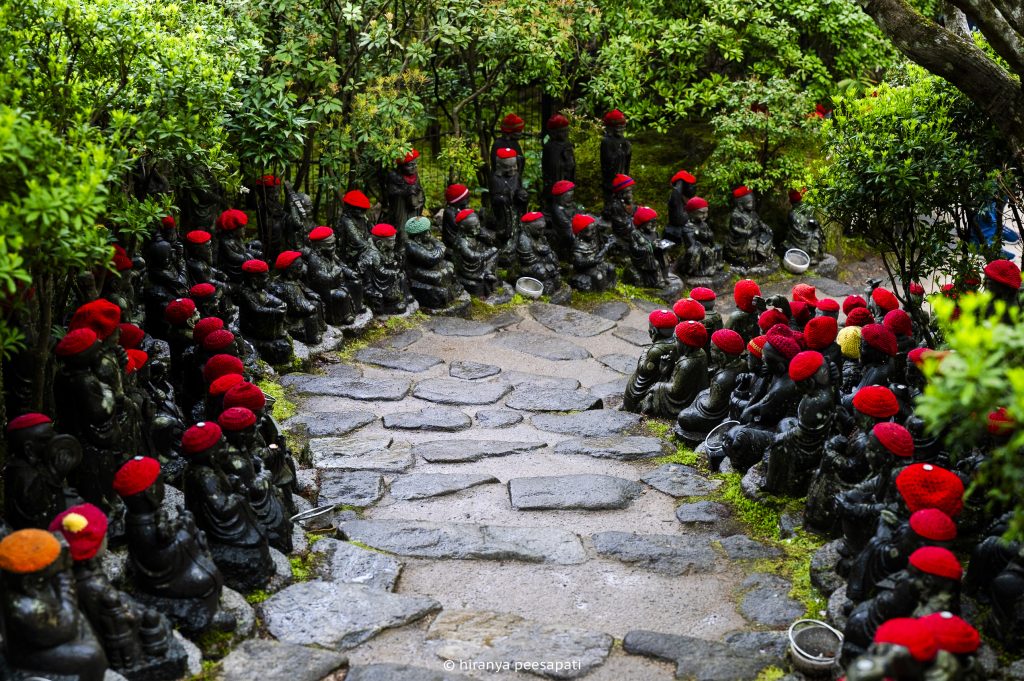
Then the walk turns unexpectedly playful. On both sides of the path, tiny Jizo and Buddha statues start to appear—then multiply. There are so many of them, dressed in little hats or bibs, or just sitting there with carved expressions that range from peaceful to cheeky. Some look like they’re about to laugh, some seem lost in deep thought. You can’t help smiling back at them. It’s one of those stretches where every few steps you stop, notice a new favorite face, and maybe take just one more photo.
Lantern Hall Glow
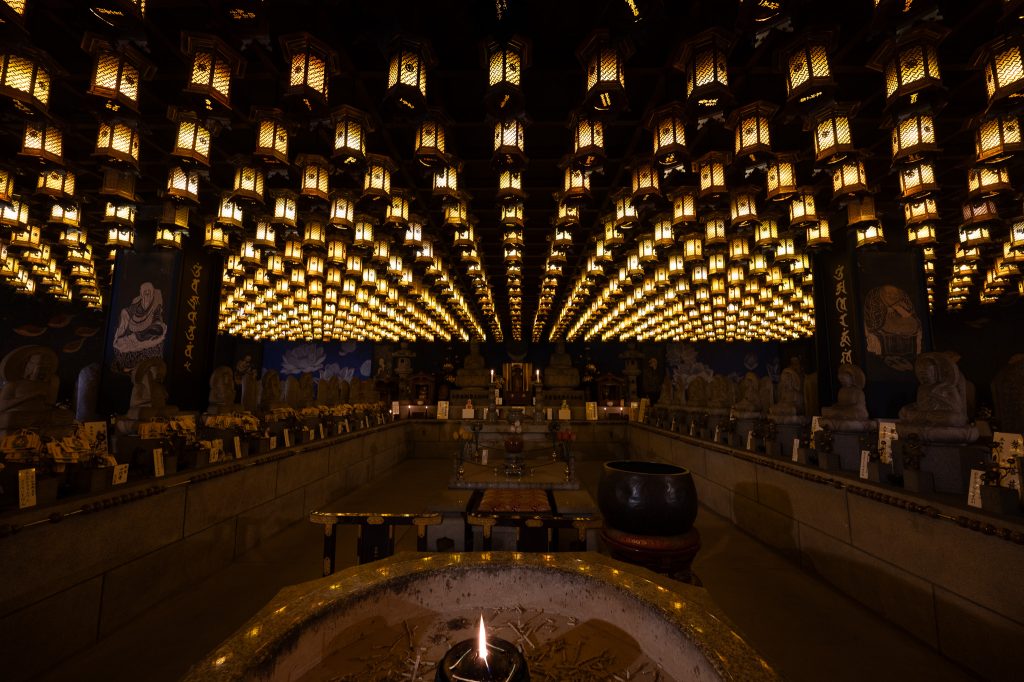
At the top, Daishoin feels like a proper retreat from the busy waterfront. There are halls full of statues, prayer wheels you can spin as you walk, and small corners where incense drifts into the open air. One of the most memorable spots is the lantern hall. You step inside and suddenly the ceiling is a forest of lanterns hanging above you, row after row. The light is low and warm, just enough to glow on the metal and wood around you. It’s quiet, but not in an empty way—more like the room is holding a lot of thoughts and wishes at once. You move slowly here, looking up, letting your eyes adjust. It’s simple, but it sticks with you long after you leave.
Tide Turns, Ferry Waits
Eventually, you wind your way back down through the village toward the shore. The tide has shifted, so the torii looks a little different—sometimes standing solid in the water, sometimes mirrored in the wet sand. Deer still wander the streets, tourists drift between shops, and the ferry waits to pull you back to Hiroshima. Miyajima doesn’t need big drama to leave a mark. It’s the combination of small, clear moments that makes the island feel almost like a dream you managed to walk through for a day.
Still pictures. Moving stories.
Miyajima in a Day
- Take the JR Sanyo Line from Hiroshima to Miyajimaguchi Station, then the JR ferry across to the island.
- If you have a JR Pass, the train and JR ferry are both covered. [Personally would get the tickets at each location – cheaper option, then JR Pass]
- Aim for the first or early-morning trains to beat the crowds and catch softer light at the torii.
- Check tide times if you want both “floating” and low-tide views—Miyajima feels different at each stage.
- Itsukushima Shrine: Walk the floating corridors and take your time framing the torii from different angles.
- Village streets: Wander, snack, and share the road with the island’s many deer.
- Daishoin Temple: Climb up past the baby Buddhas, spin the prayer wheels, and enjoy the views back over the island.
- Lantern hall: Don’t rush this—give your eyes a minute to adjust and just stand in the glow.
- Senjokaku Hall: Quick stop near the shrine for panoramic views from the top balcony.
- Tahoto Pagoda: Five-story beauty next to Daishoin—great for photos, especially at golden hour.
- Omotesando Shopping Street: Grab grilled snacks or momiji manju sweets while browsing the wooden arcade.
- The deer are friendly but curious—keep maps, tickets, and food secure.
- Wear comfortable shoes for stairs and uneven paths.
- If you’re into photography, plan to stay through late afternoon; the light on the torii and shrine gets better as the day softens.
Leave a Reply