Intro: A city made for celebrations
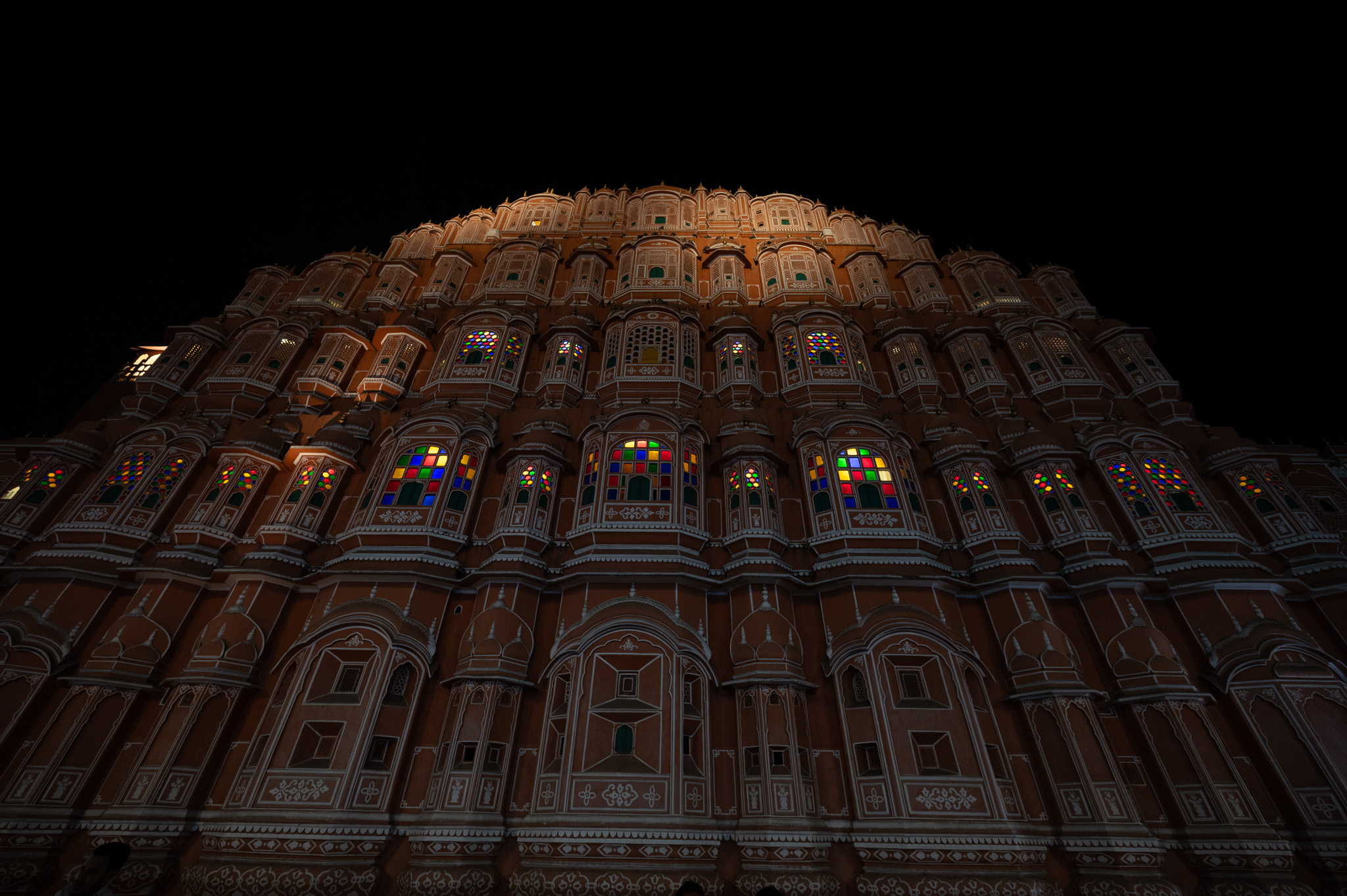
Jaipur does not just appear outside the airplane window; it arrives like an opening scene. The drive from the airport to the hotel feels less like transit and more like being ushered into a royal courtyard—wide roads, hints of pink facades, and that quiet certainty that this is a city built for grand occasions. A best friend’s wedding is already special, but in Jaipur, it feels perfectly at home, as if the city had been expecting it all along.
Hawa Mahal and a street-side window seat
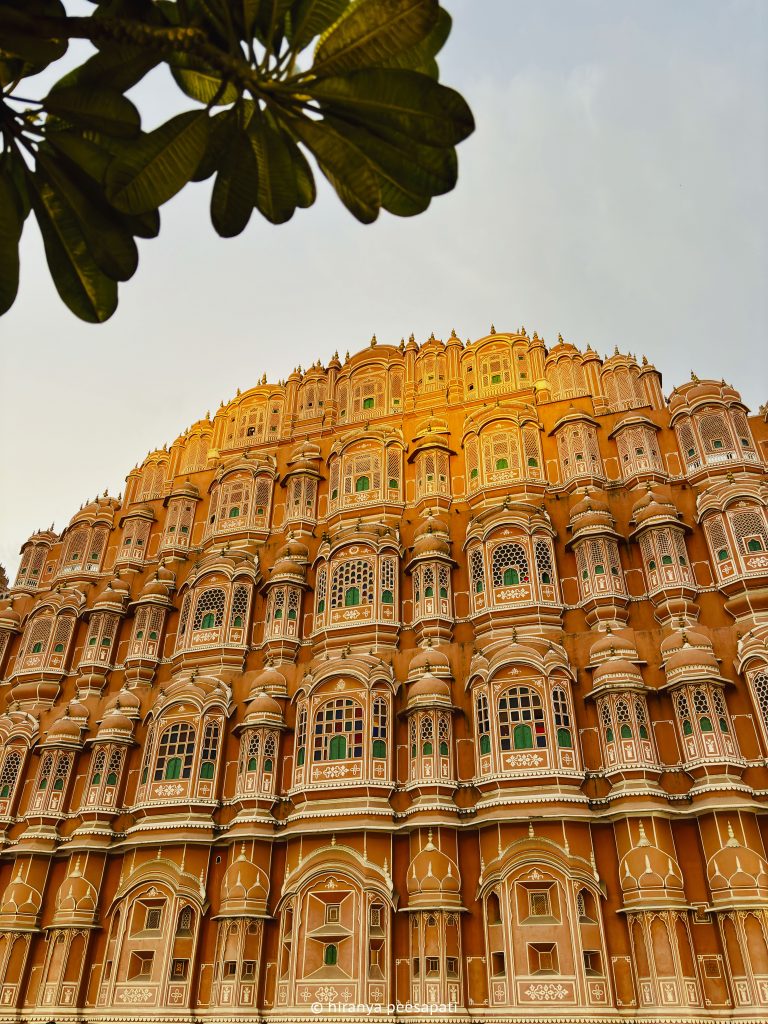
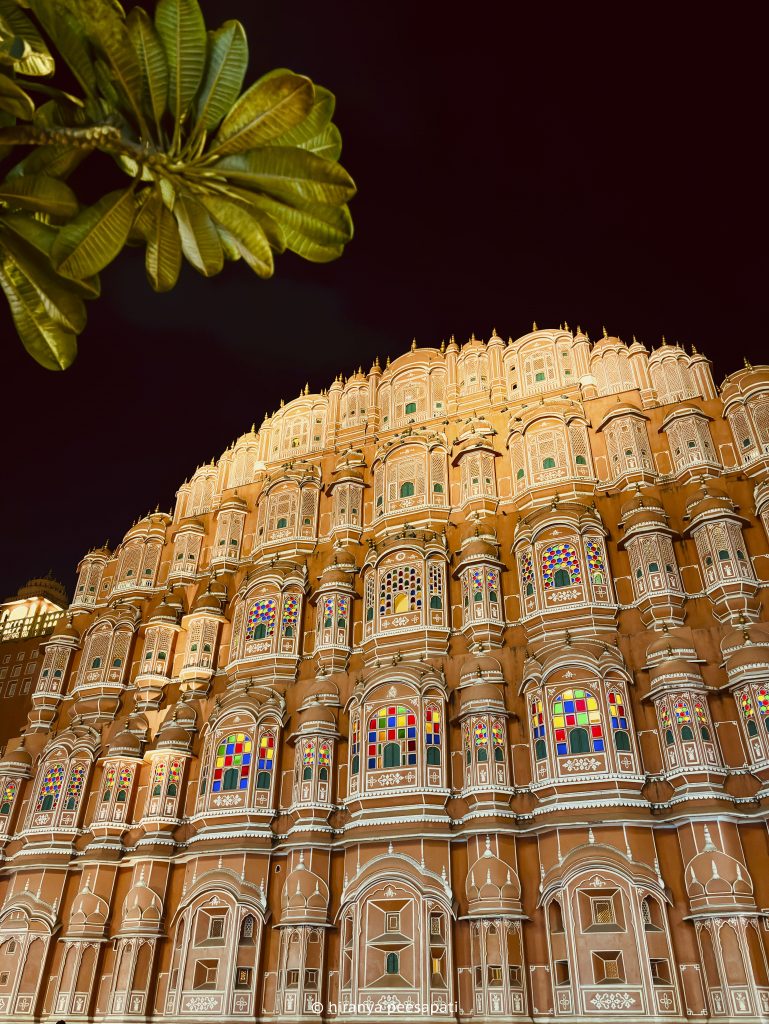
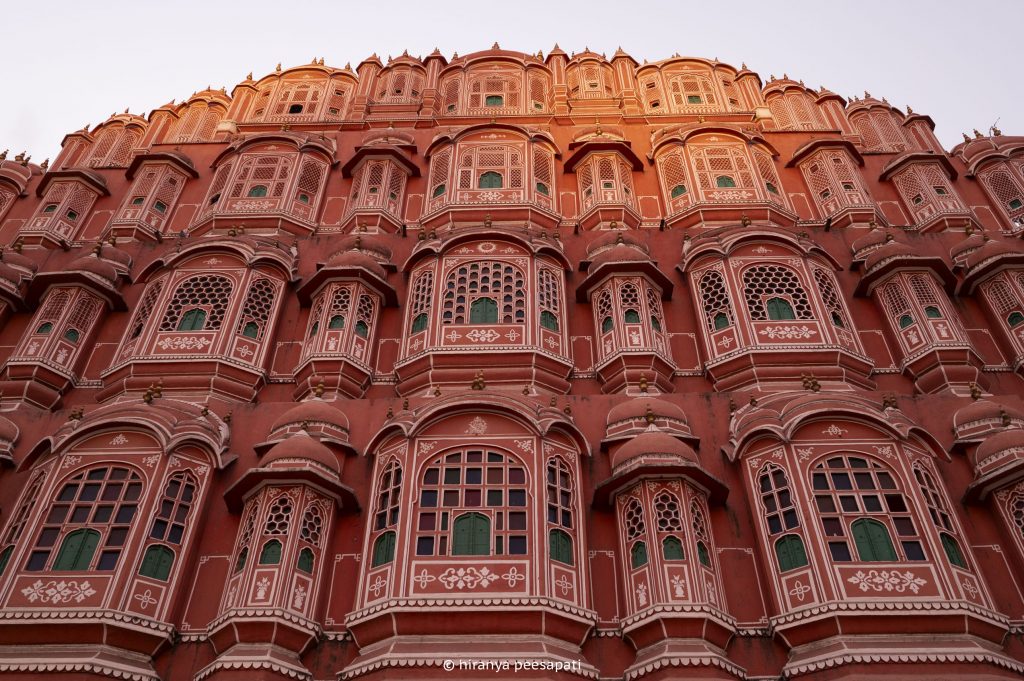
With the sun dropping fast, there is only one place to go first: Hawa Mahal. Traffic thickens, horns weave together, and then the façade appears—a honeycomb of windows set in sandstone, floating above the street like a textured curtain. Up close, it feels less like a monument and more like a pattern come to life. You dodge scooters and stalls, crane your neck, and finally take in the full scale of it.
The advice to see it from above turns out to be right. You climb to a café opposite, claim a small table by the edge, and watch the city move below. A fresh grilled sandwich arrives, simple and perfect, and you eat slowly with the Hawa Mahal framed in front of you. Cars slide past, people cross, the light softens—and for a while, it feels like you are watching Jaipur breathe through a thousand tiny windows.
City Palace: where stories linger in the walls
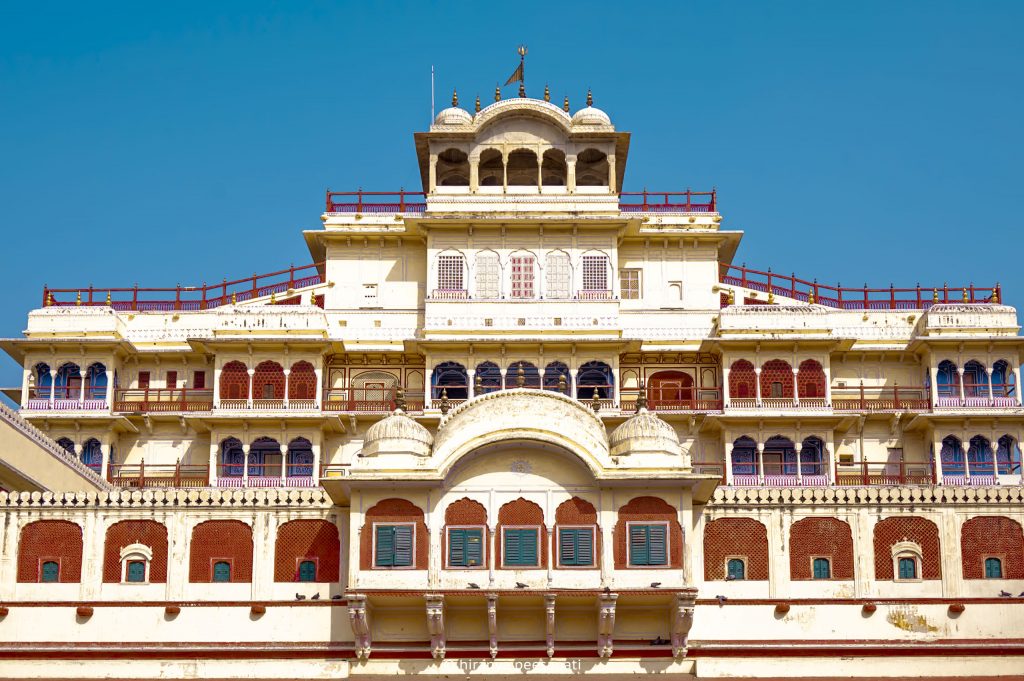
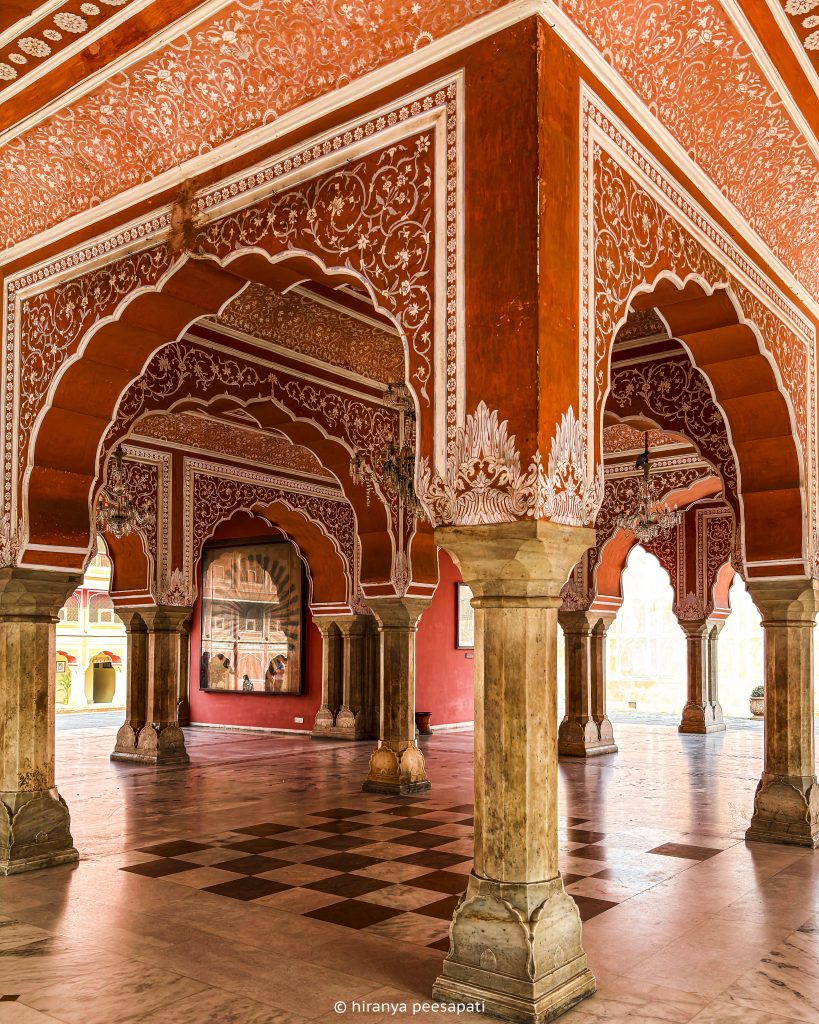
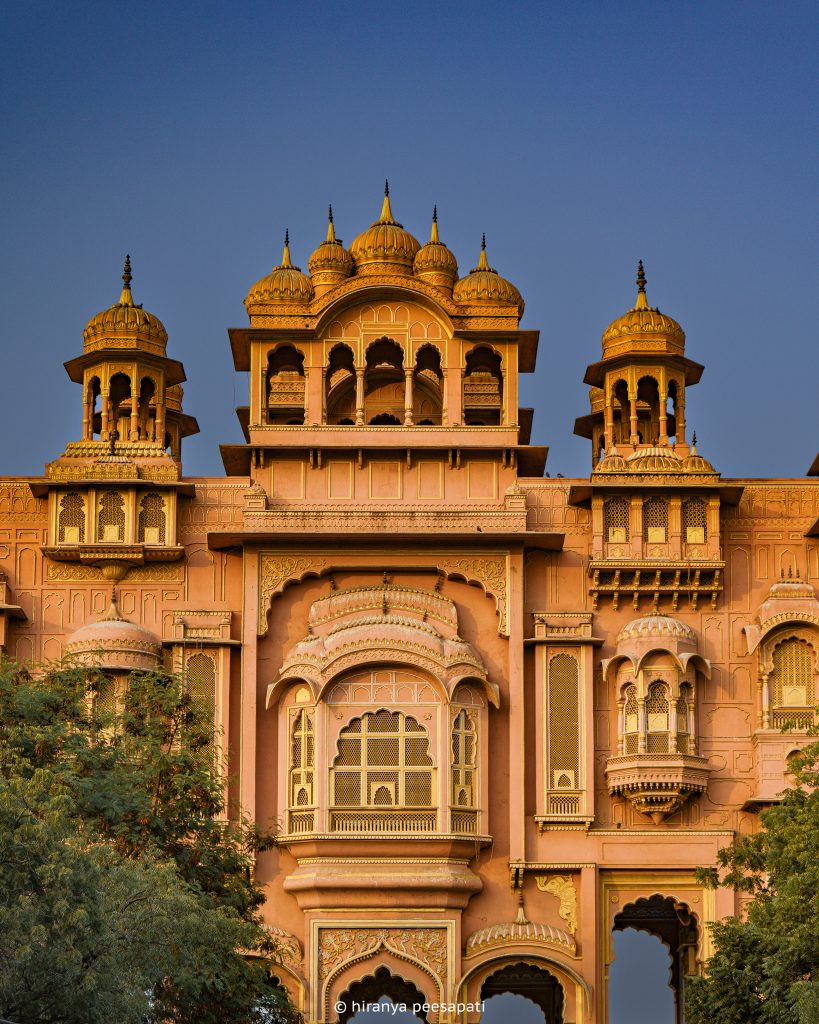
The next day, Jaipur City Palace feels less like a “top tourist spot” and more like a stitched-together dream of courtyards, arches, and light. You step through one gate and then another, each opening revealing a slightly different mood—sunlit squares, shaded corridors, sudden bursts of color. The palace does not shout its importance; it lets the details do the work.
There is something almost poetic about the way space and silence are used here. A single arch can frame a patch of sky. A quiet courtyard can hold the echo of footsteps from decades ago. Every turn suggests that this was not only a place to rule from, but a place to pause, to think, to watch the city change slowly beyond its walls.
Doors that frame a thousand stories
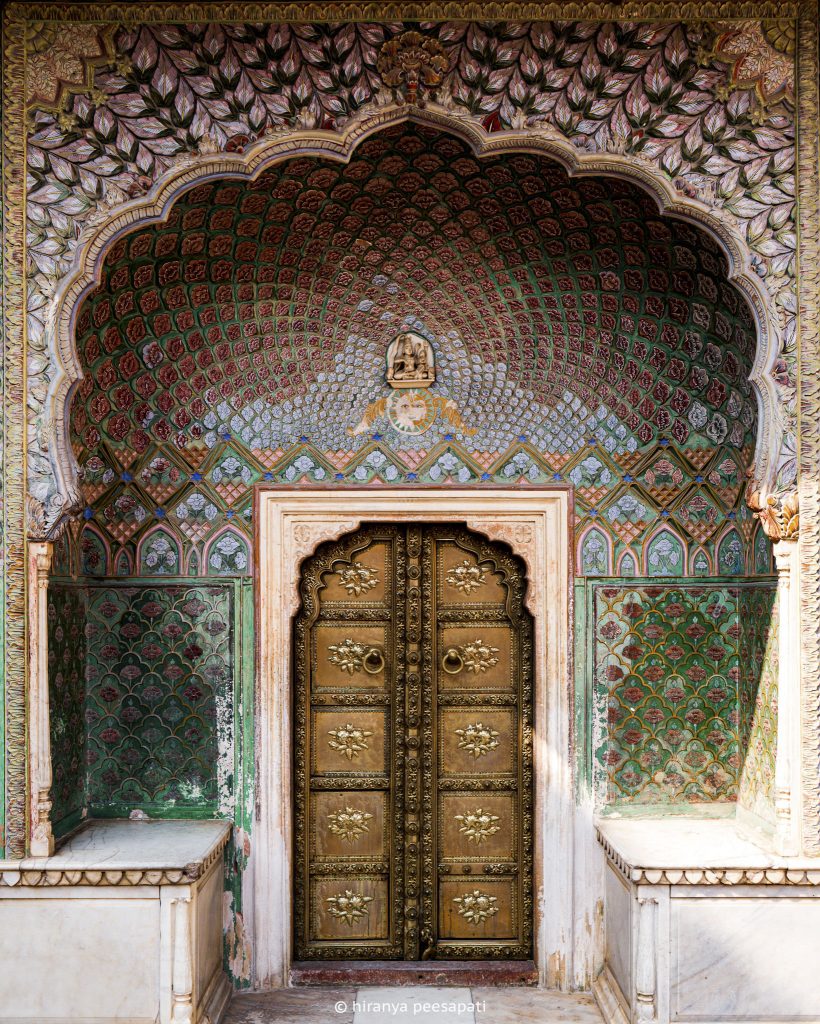
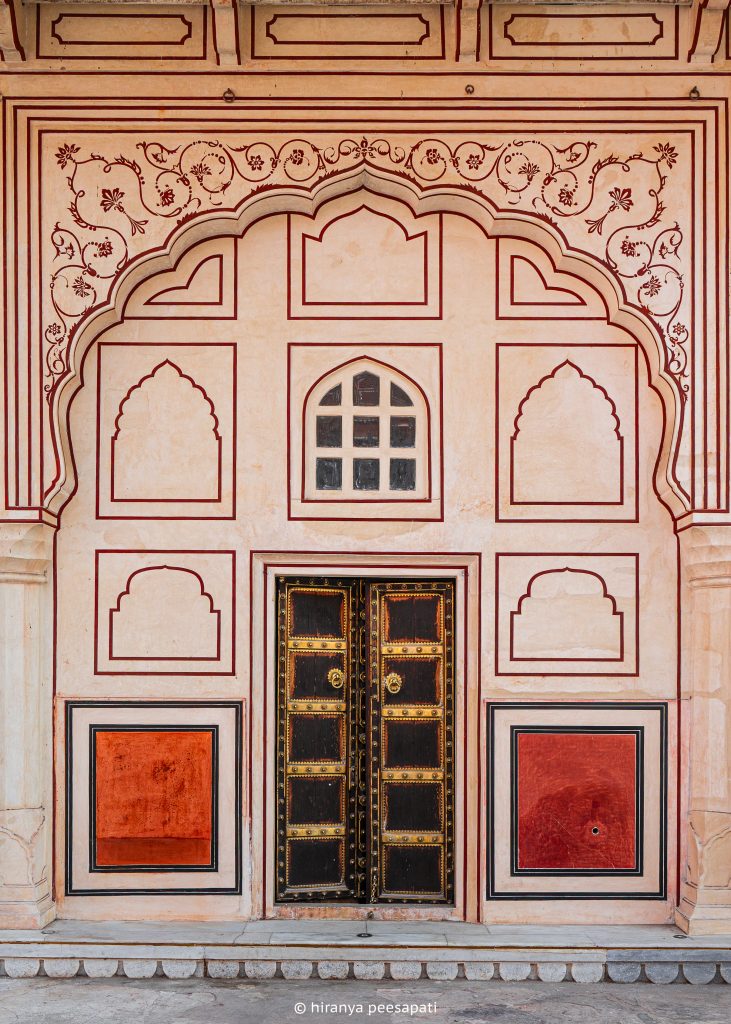
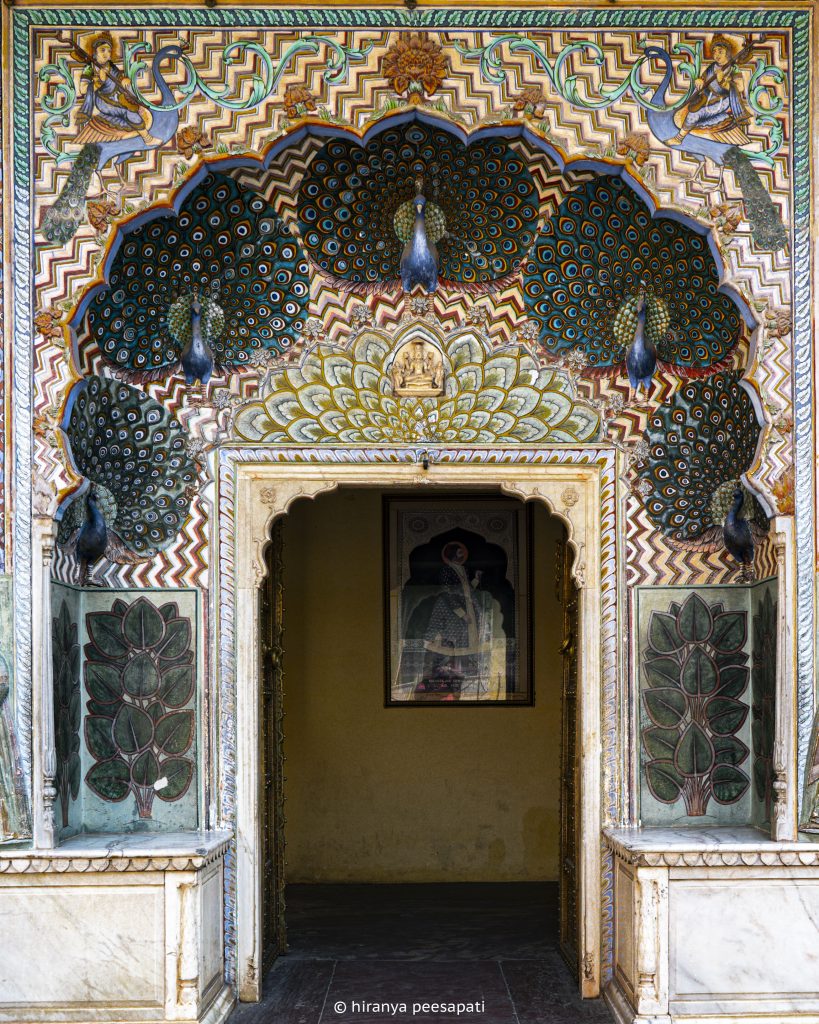
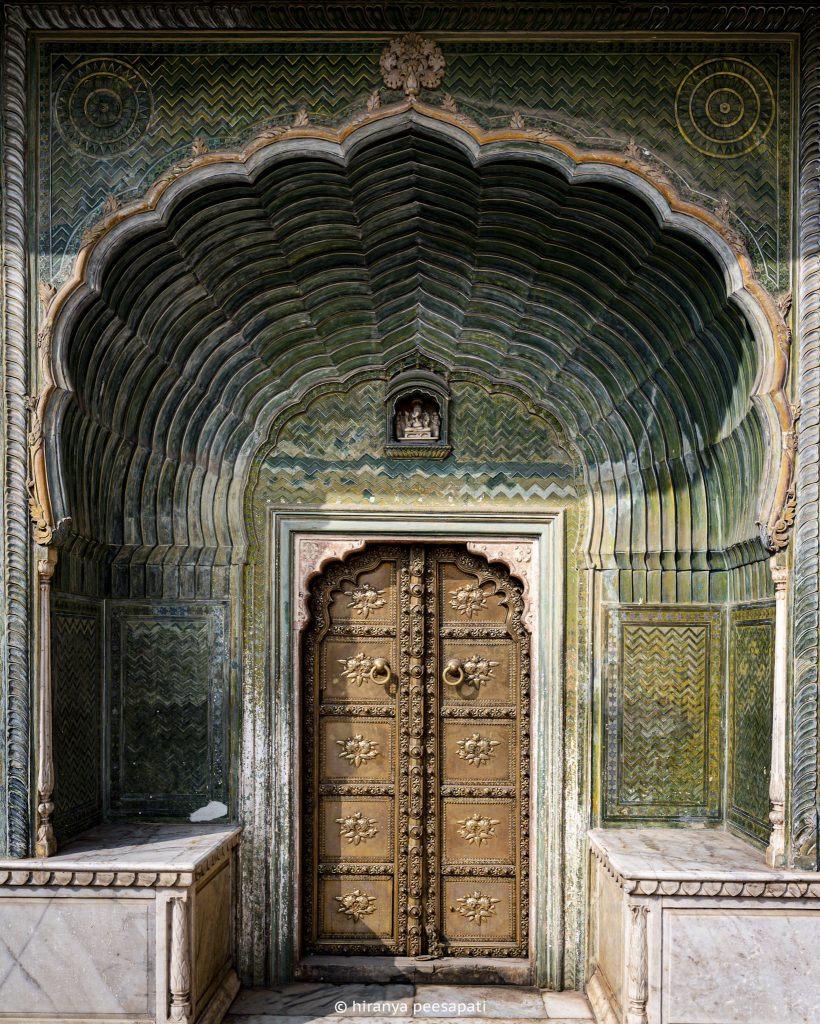
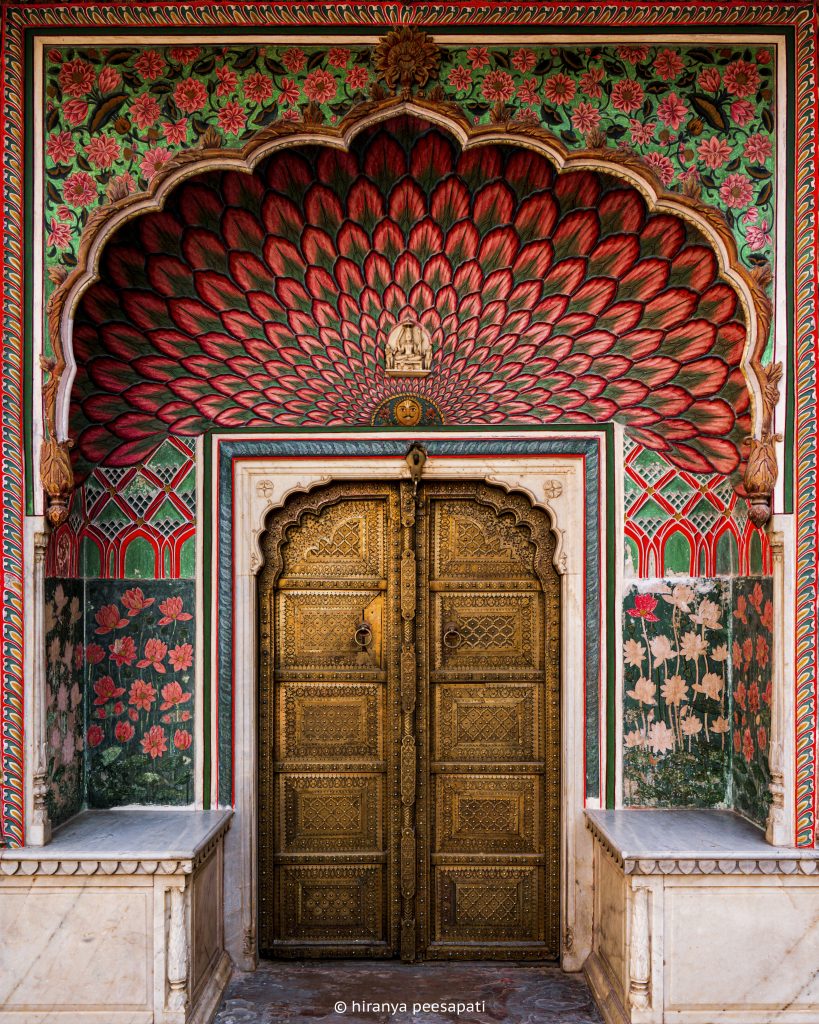
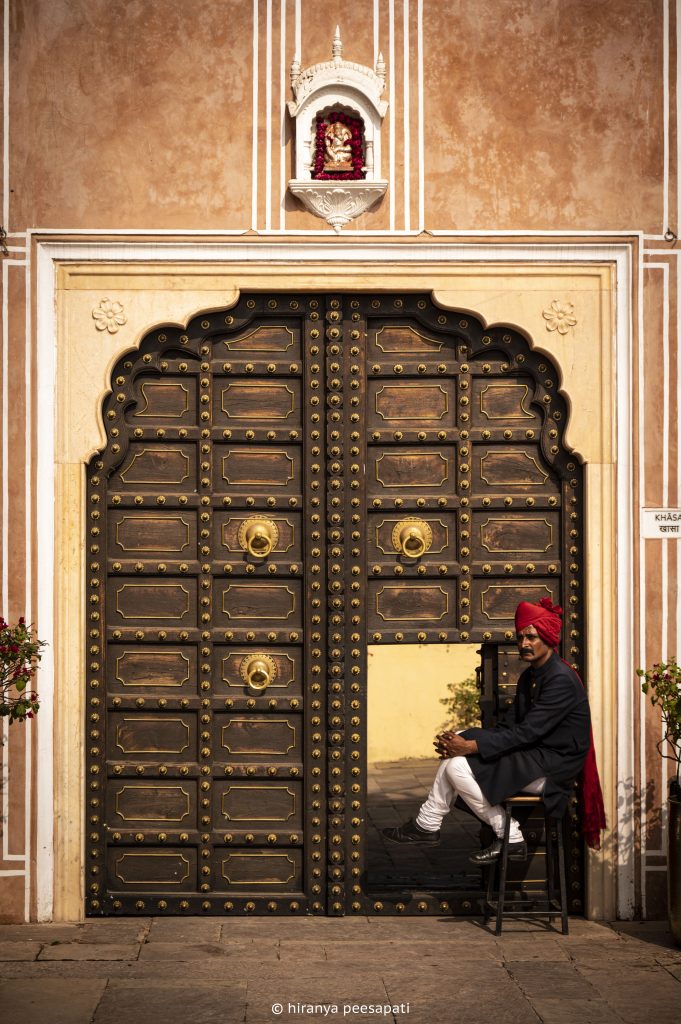
Some of the palace’s most memorable details are not the grand halls but the doors. Carved, painted, framed in intricate patterns, each door feels like a carefully composed photograph before the camera is even raised. Some glow with deep greens and golds, others are layered in blues or earthy tones, and each one seems to guard a different kind of story.
You find yourself collecting them slowly—one door, then another, then another—until they become a series of moments: a hand on a handle, a shadow in a corner, a splash of color against the palace’s soft walls. In the blog, these doors will sit side by side, a quiet gallery inside a larger story.
A plate full of Rajasthan
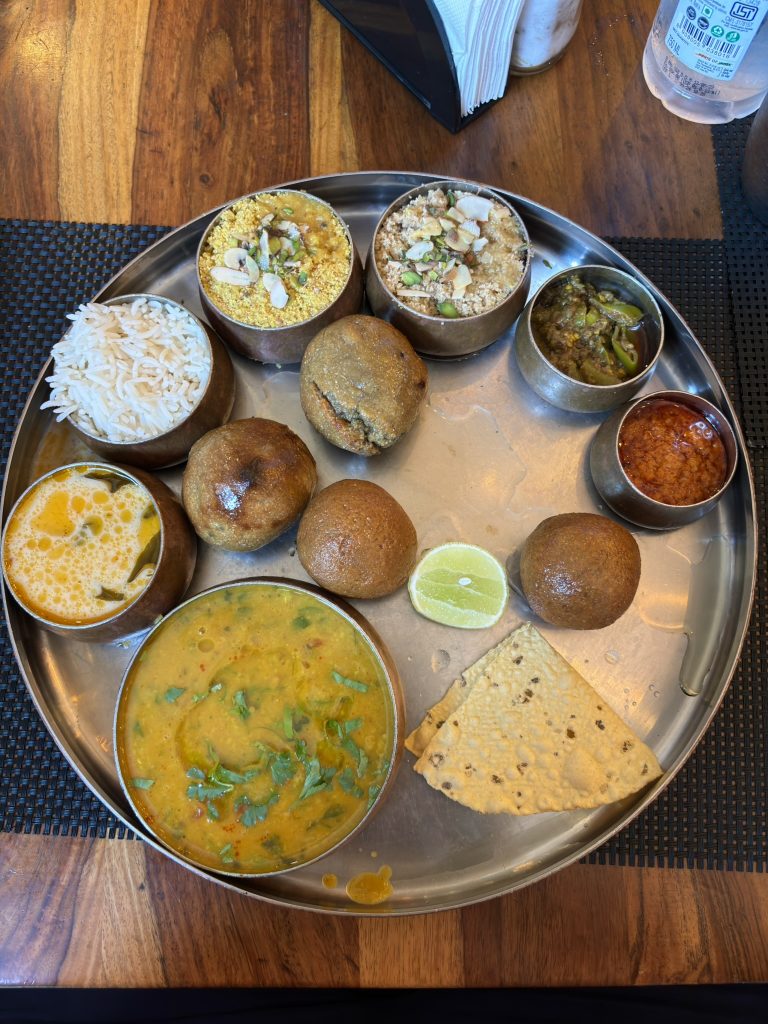
After wandering through history, the next stop is a different kind of tradition: food. A thali of Rajasthani dishes arrives, and suddenly the table is a landscape of color—dal, baati, churma, vegetables, pickles, ghee glistening in small pools. Dal baati churma anchors the meal, hearty and comforting, the kind of dish that feels earned after a long morning of walking.
You know this will be one of the anchor photos in the post: the plate full and generous, the textures of each dish inviting the viewer to lean a little closer. For a moment, the palace, markets, and streets all blur into the simple joy of a shared, traditional meal.
Patrika Gate: painted passages and evening calm
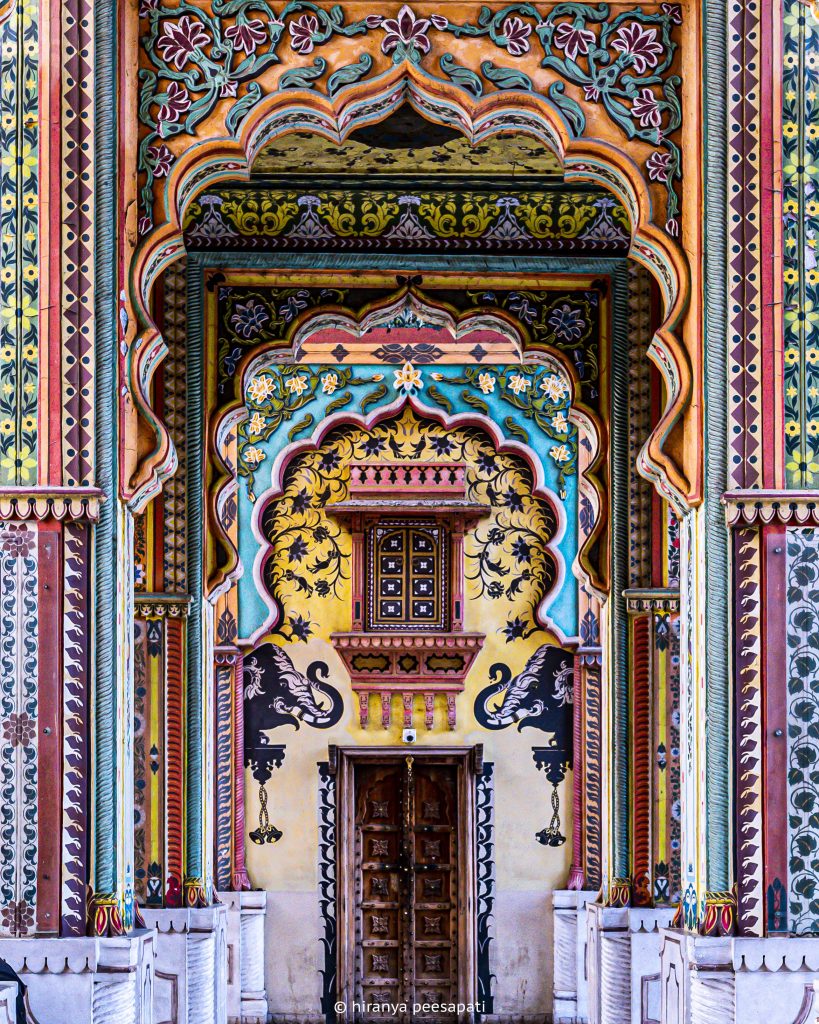
Later, Patrika Gate feels like stepping into a painted storybook. Each arch is layered with patterns, motifs, and colors—floral designs, symbols, scenes—that pull your eyes upward and along the corridor. Walking through, you are surrounded by artistry on every surface; even a simple pause in the middle becomes a portrait moment.
Outside, the garden offers a softer counterpoint. People stroll, sit on benches, talk quietly. The city’s movement continues beyond the gate, but inside this frame, time feels slower, as if Jaipur wanted to give you one more place to breathe before you leave.
Inside the palace: mirrors, blues, and gold
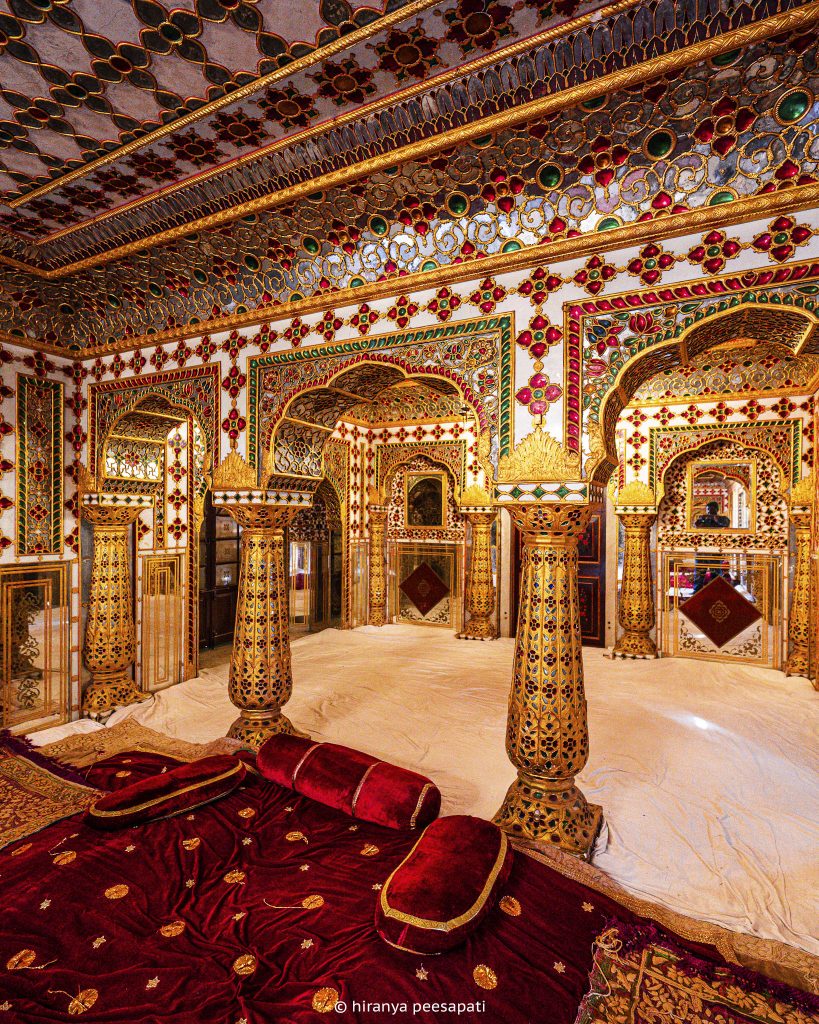
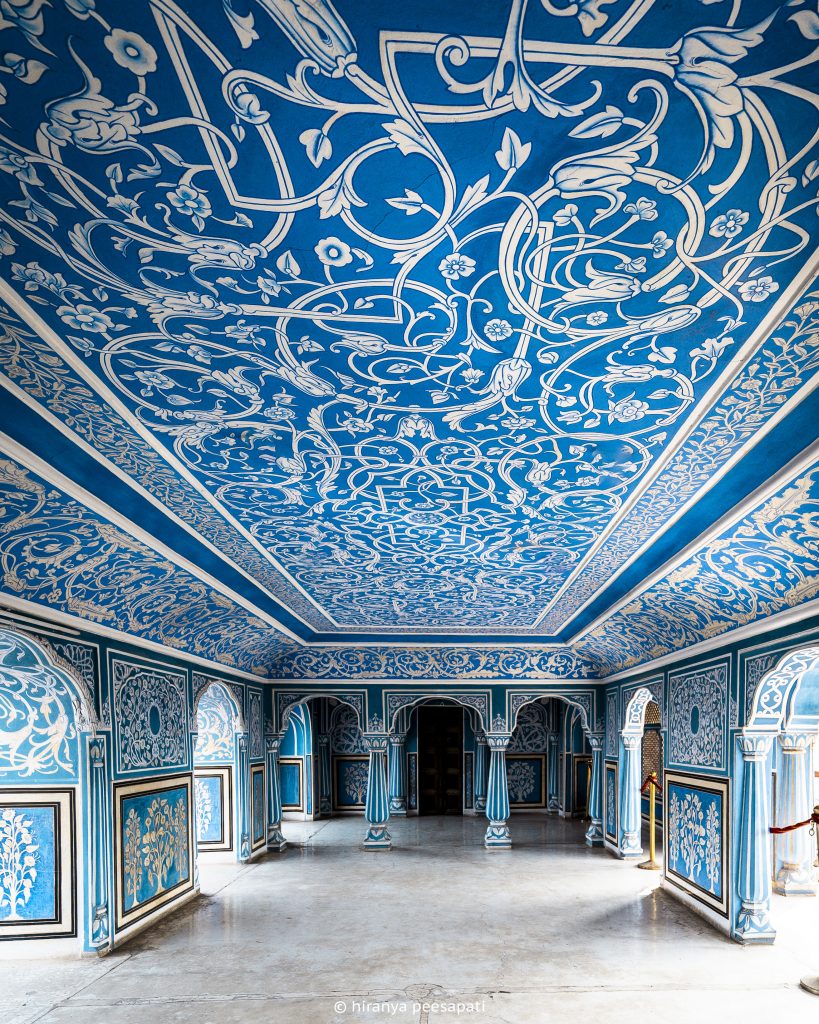
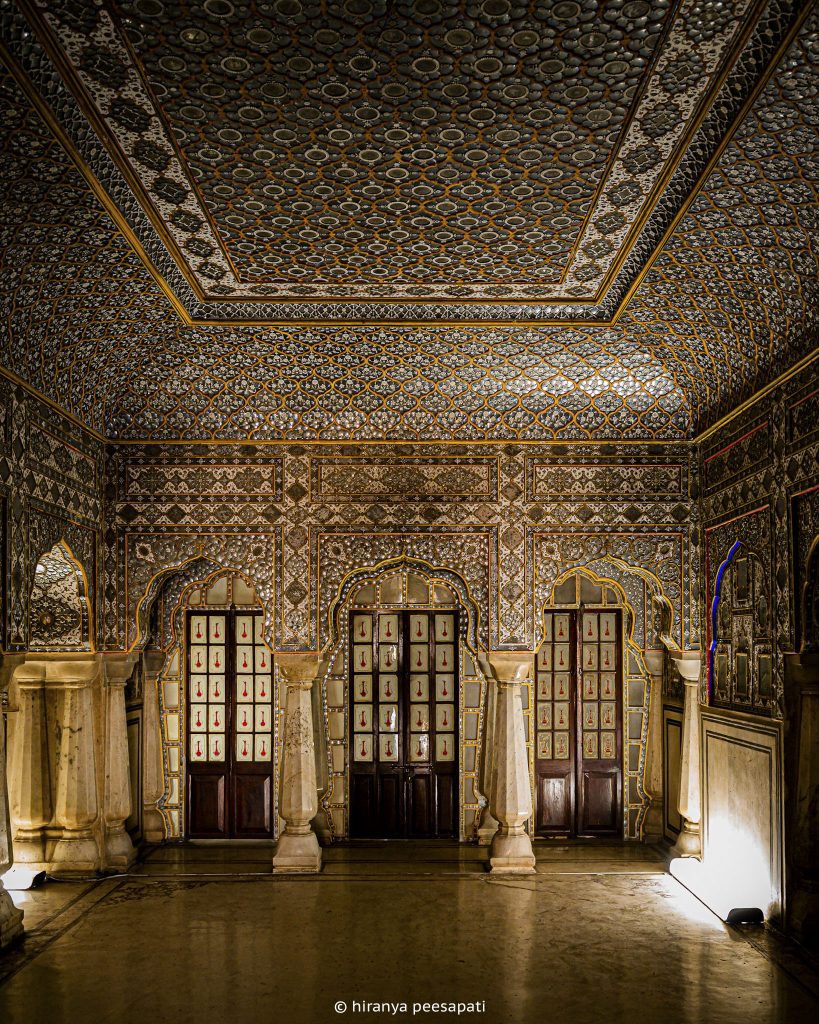
An opportunity to tour the palace interiors and the official residence of the royals turns the day into something even more surreal. Inside, the history stops being abstract and starts to feel intimate. Mirrored rooms catch the light in a hundred tiny fragments, turning a single candle or window into a universe. Blue courtyards feel like they were dipped in twilight, even under the afternoon sun, and golden rooms shimmer with the kind of detail that only generations of artisans can create.
From the top, Jaipur stretches out in layers of pink and stone and sky. The city looks both vast and somehow close, as if all the streets you walked—the ones to Hawa Mahal, the markets, the roads to Patrika Gate—have folded back toward this one point. It is mesmerizing to think that so much ceremony and everyday life have unfolded beneath this view.
A brief stay that lingers
The visit to Jaipur is brief, threaded between wedding events and celebrations, but it refuses to feel small. The city makes strong first impressions—royal facades, painted gates, crowded markets—yet it is the blend of them that stays with you. A sandwich overlooking Hawa Mahal, the weight of a palace door under your hand, the glow of dal baati churma, the reflection of a mirror catching your eye. There is a quiet promise to come back—with more time, more curiosity, and plenty of room on the memory card.
Still pictures. Moving stories.
Leave a Reply