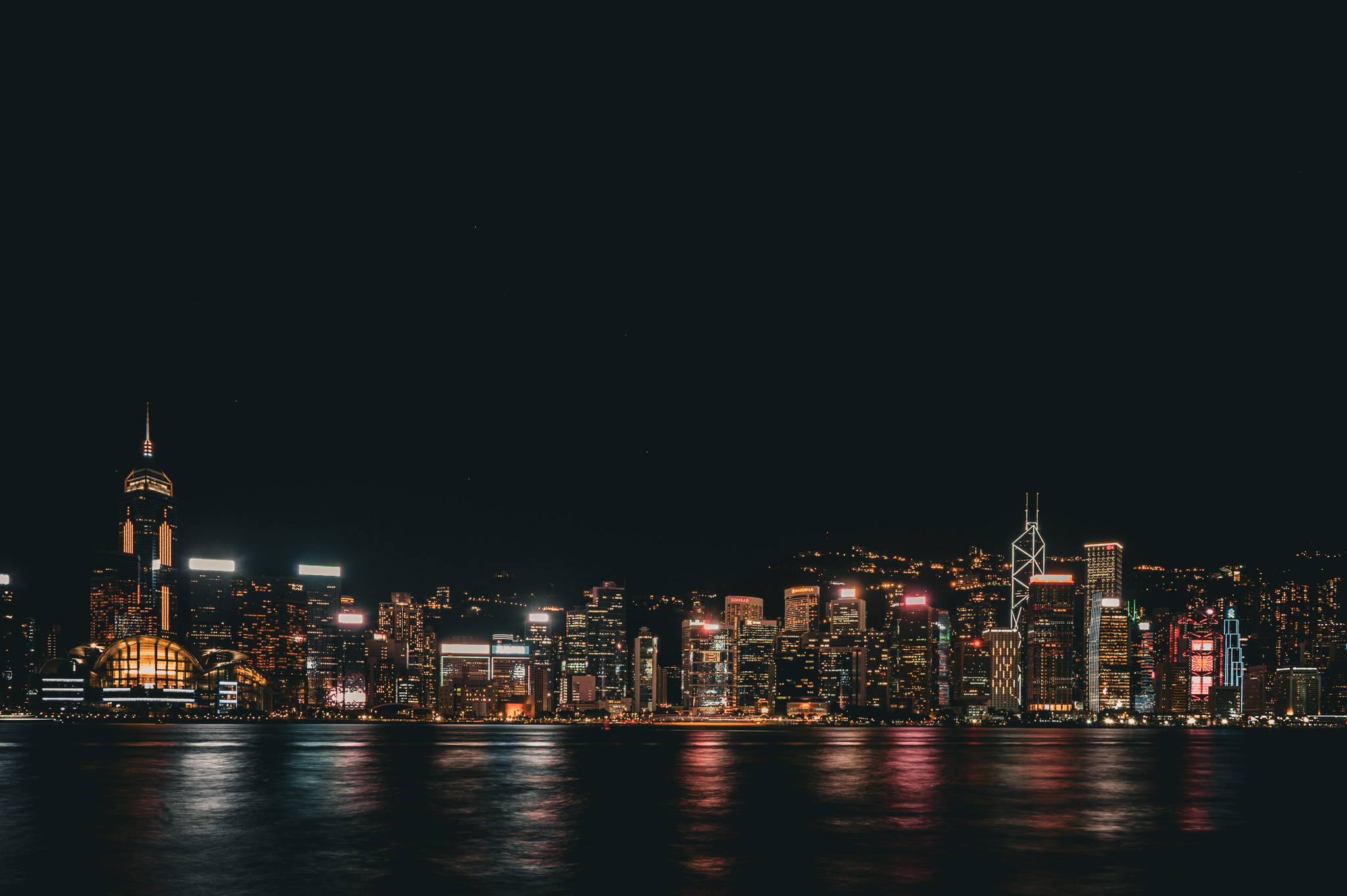
The trip starts as a layover, but Hong Kong wastes no time feeling like a destination of its own. With just three days to spare on the way back home, the goal is simple: pack in as many of the city’s classics as possible and see how its temples, towers, and tangled streets fit into a single frame. It doesn’t take long to realize that Hong Kong isn’t just one story—it’s layers of them, stacked as tightly as its high-rises.
Tian Tan Buddha and Ngong Ping Village: calm above the clouds
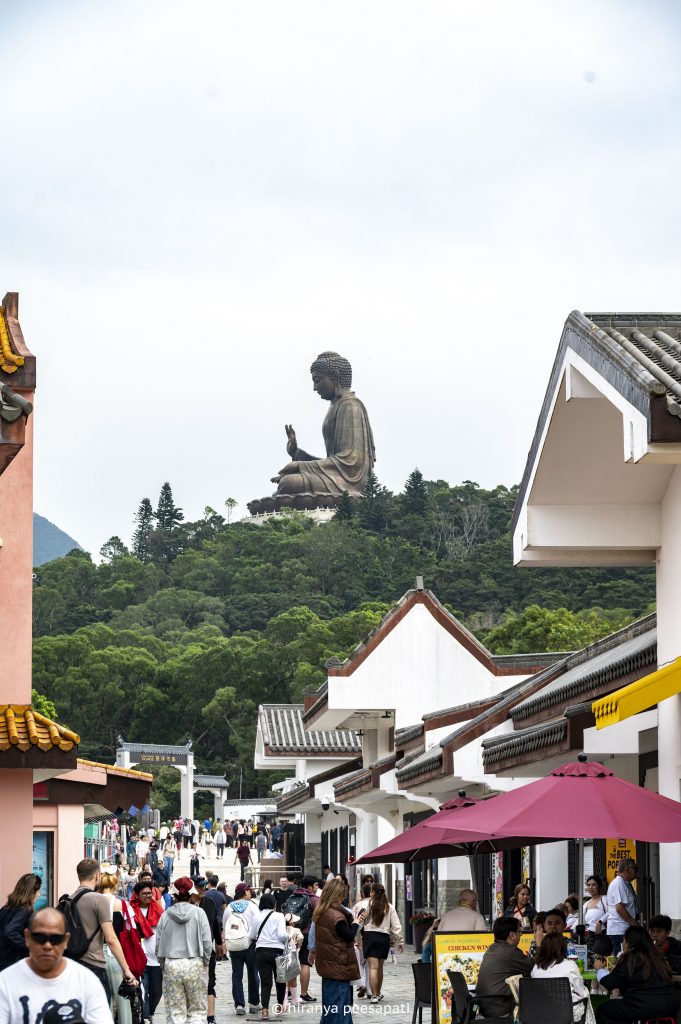
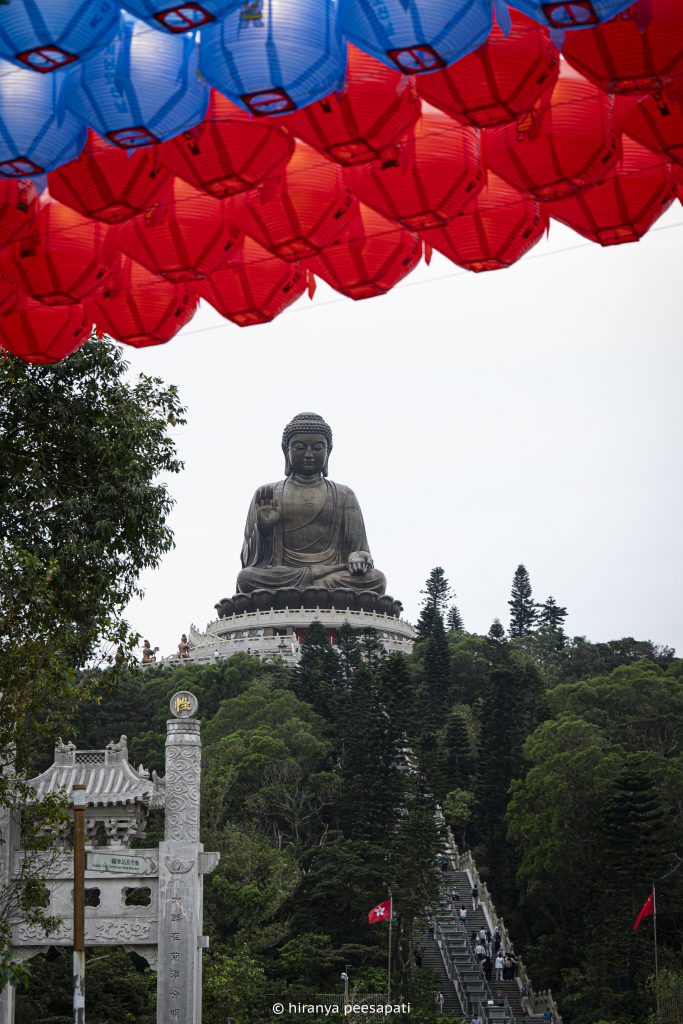
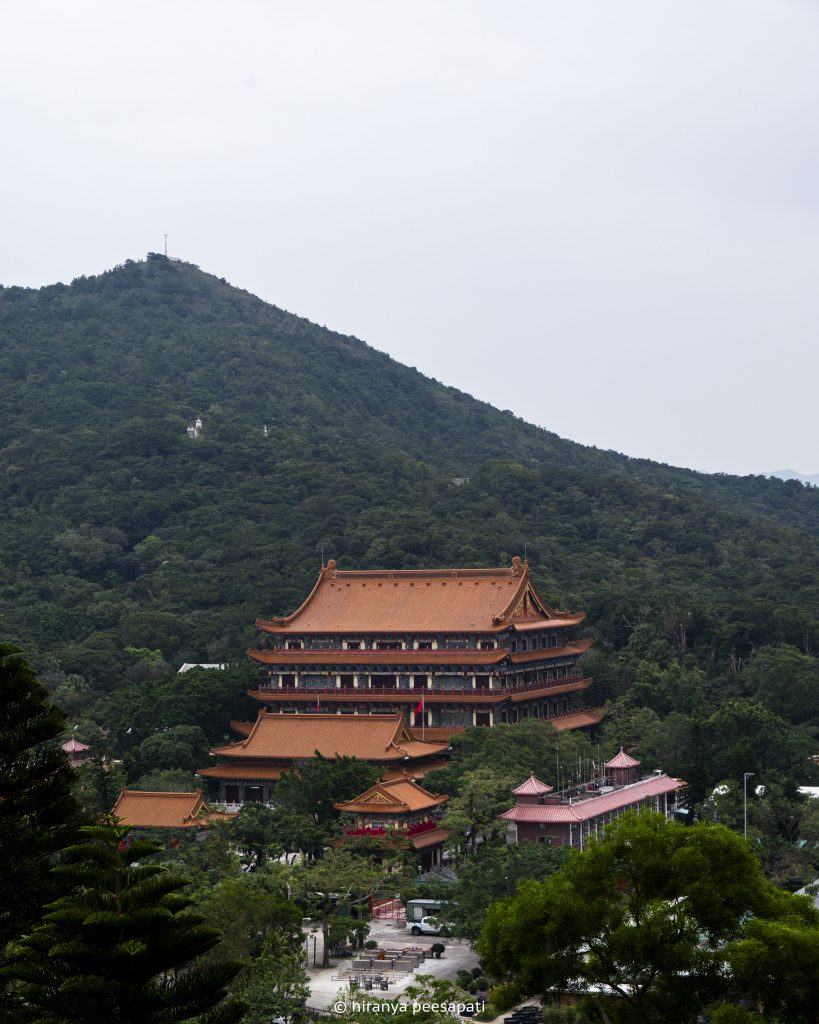
Straight from the airport, the city’s rush drops away as the Ngong Ping 360 cable car to Tian Tan Buddha lifts off. Below, the islands and hills unfold in soft greens and blues; ahead, the silhouette of the Buddha slowly grows larger with every sway of the cabin. There’s that mix of quiet awe and small adrenaline spikes as the cabin glides over valleys and water, the city slipping into the background.
At the top, Ngong Ping Village feels like a different world—calm, spaced out, and edged with mist if you’re lucky. Climbing the steps towards the giant statue, it really does feel like a blessing from above: a still figure watching over an always-moving city beyond the hills. For a layover trip that started in airport queues and departure boards, this first stop is a surprisingly peaceful reset.
Color-coded lines and old trams
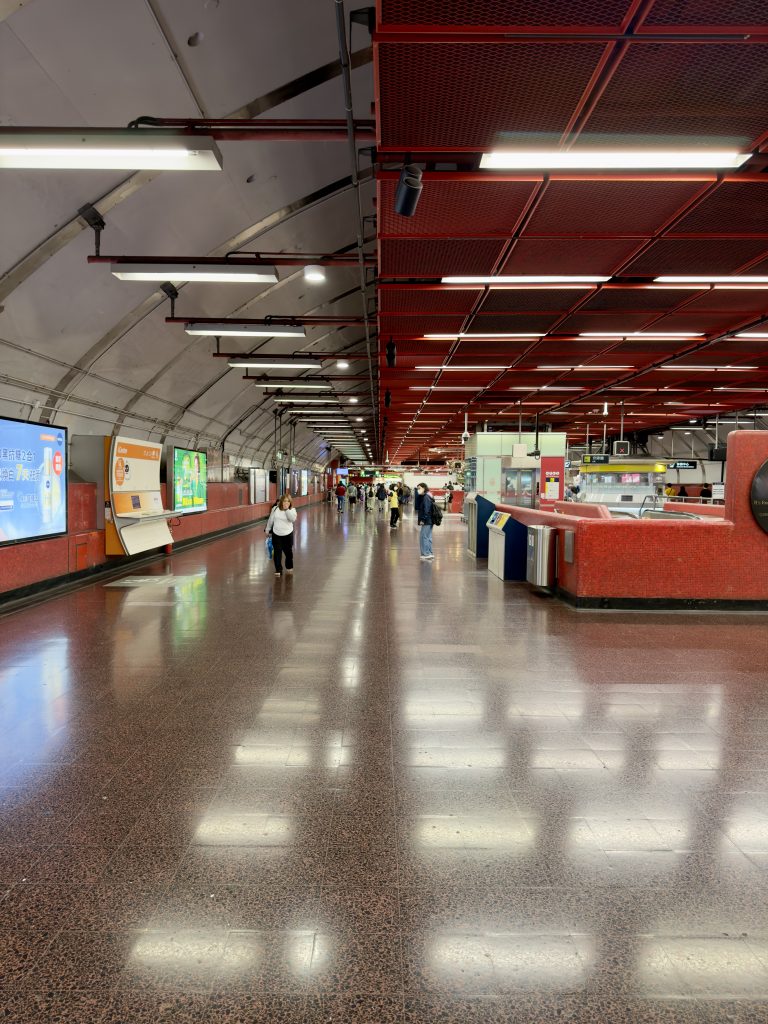
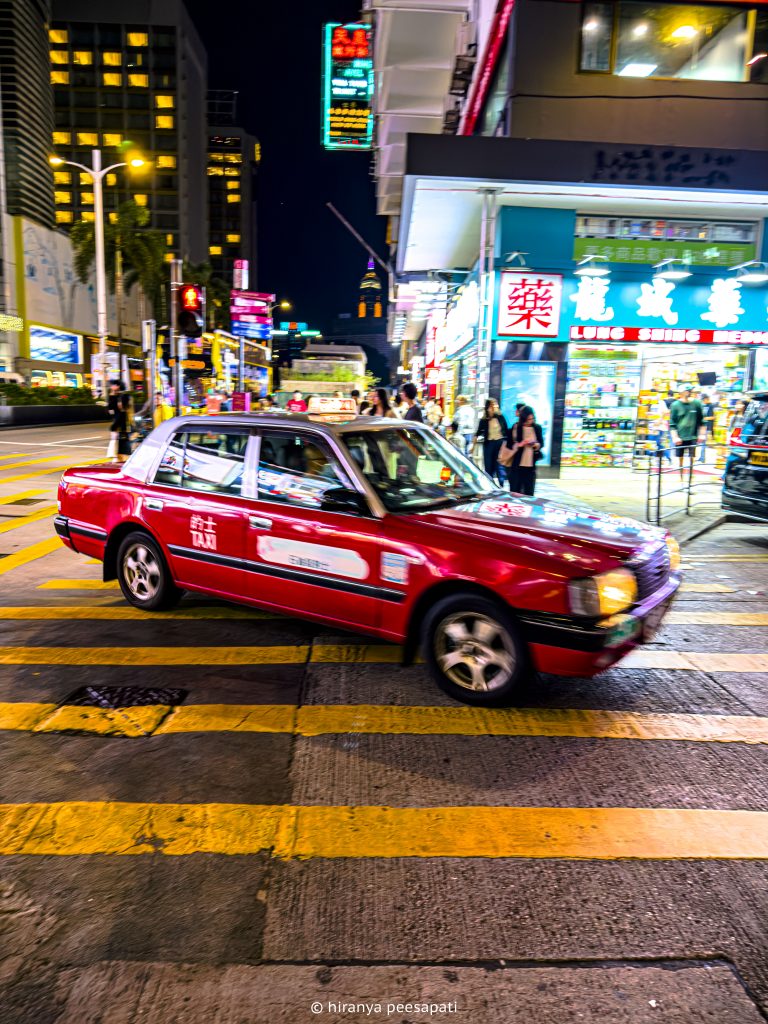
Back in the city, Hong Kong’s rhythm returns with the tap of an Octopus card and the rush of train doors. The color-coded stations turn the metro map into a palette—each stop a different shade, each platform a small, contained world. It’s the kind of detail that makes everyday commuting feel almost designed for photographs.
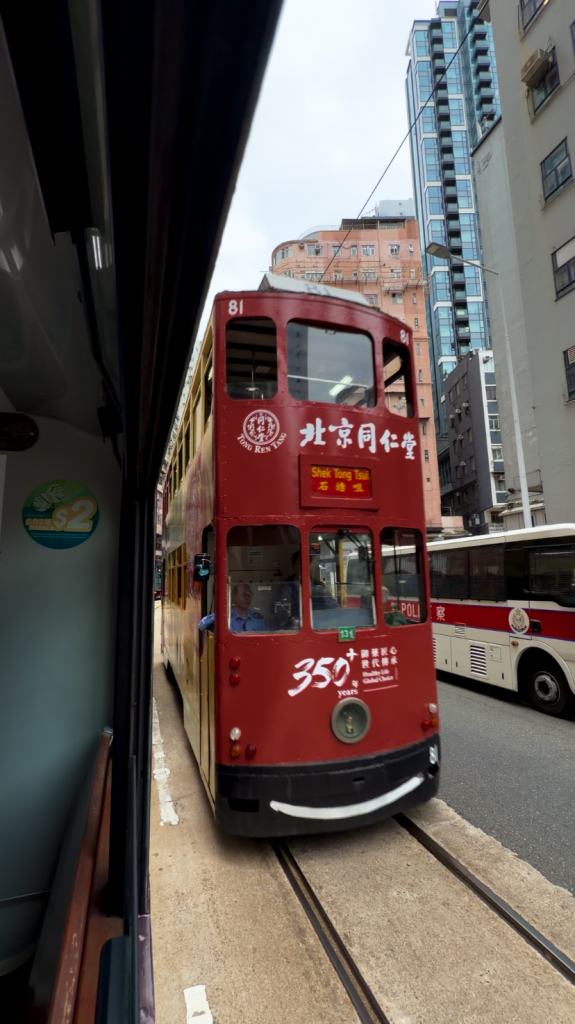
Above ground, the old Hong Kong Tramways trams rattle along the streets like something out of a film. Climbing onto the upper deck, there’s a brief feeling of stepping sideways in time. As the tram slides between glass towers and old shopfronts, the city feels both modern and nostalgic at once, like a Harry Potter carriage that accidentally wandered into a neon skyline.
Night market glow and alleyways
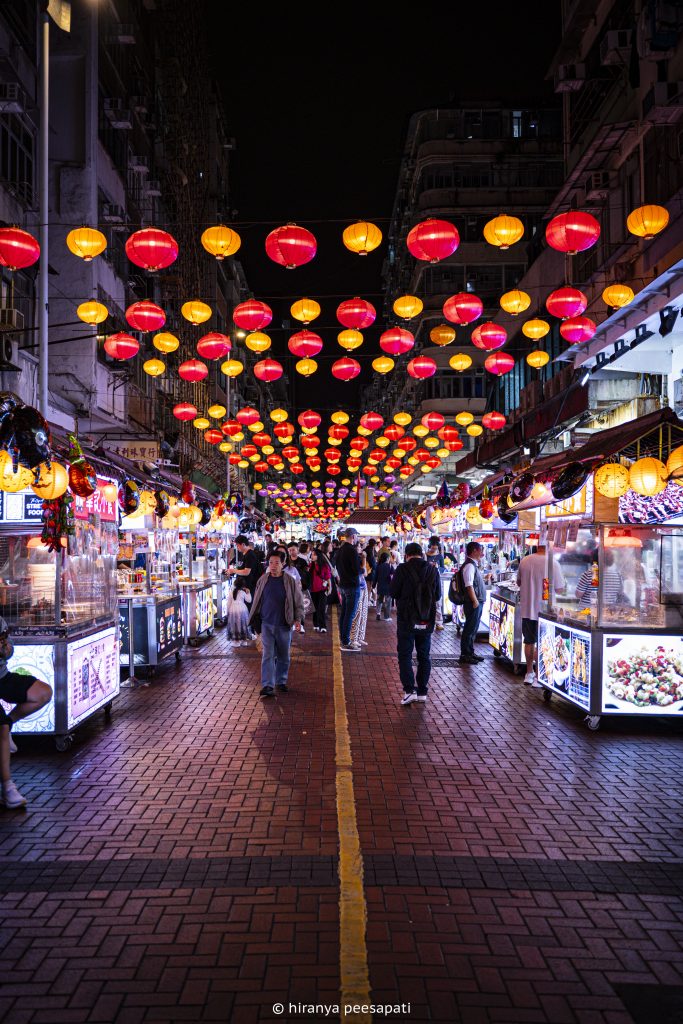
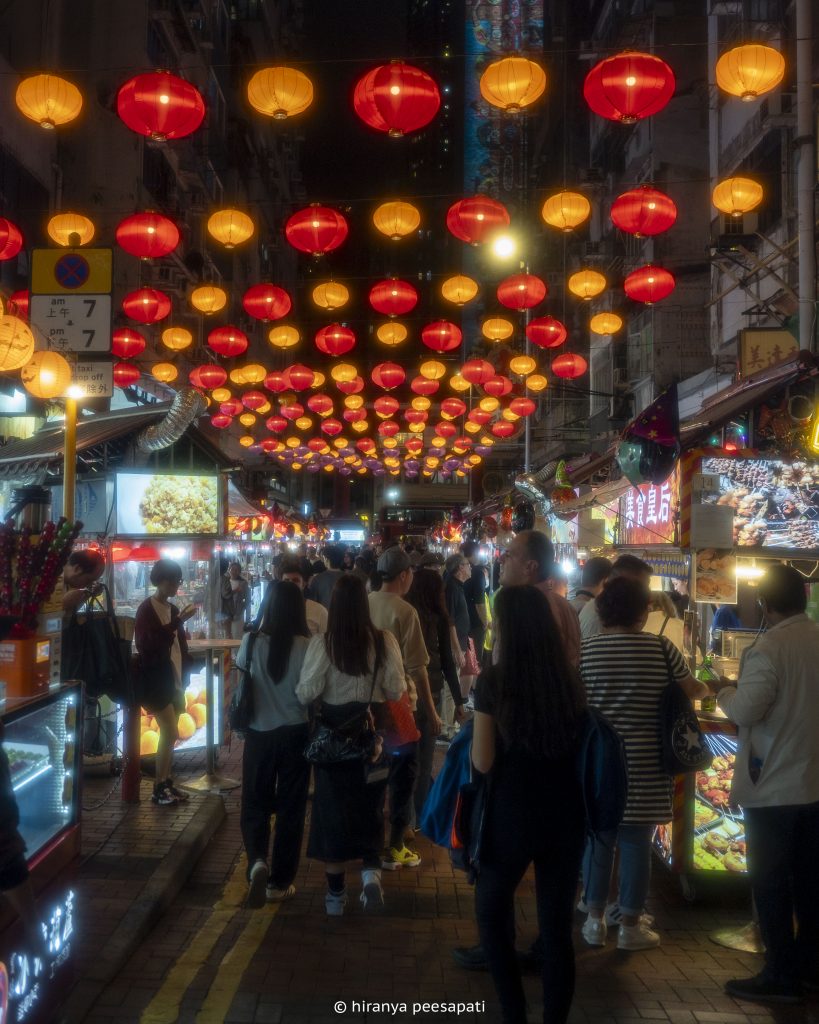
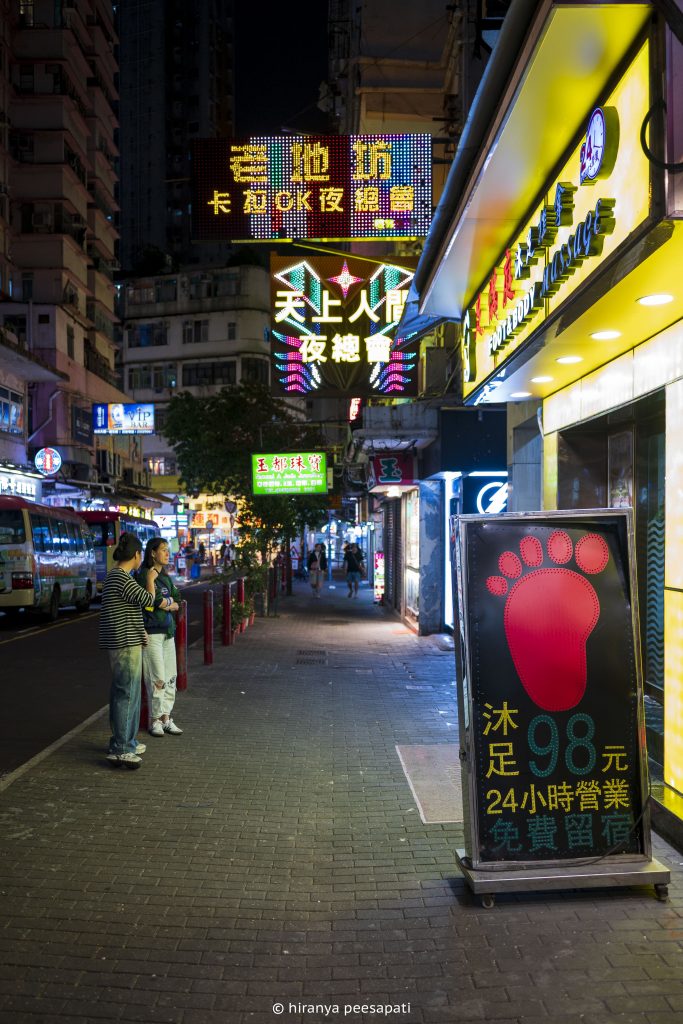
As daylight fades, the smaller streets start to take over the story. Narrow alleys pull you in with hanging signs, steaming food stalls, and the soft hum of conversations in different languages. You walk through pockets of light and shadow—bright storefronts, dim stairwells, fluorescent corridors leading who-knows-where.
The night market ties it all together: sizzling woks, skewers on grills, plastic stools, vendors calling out prices. It’s a place to eat well and bargain hard, to pick up something you didn’t know you needed, and to people-watch as the city winds down in its own very lively way. A plate of street food and a camera in hand feels like the most natural way to be here.
The Peak: city as constellation
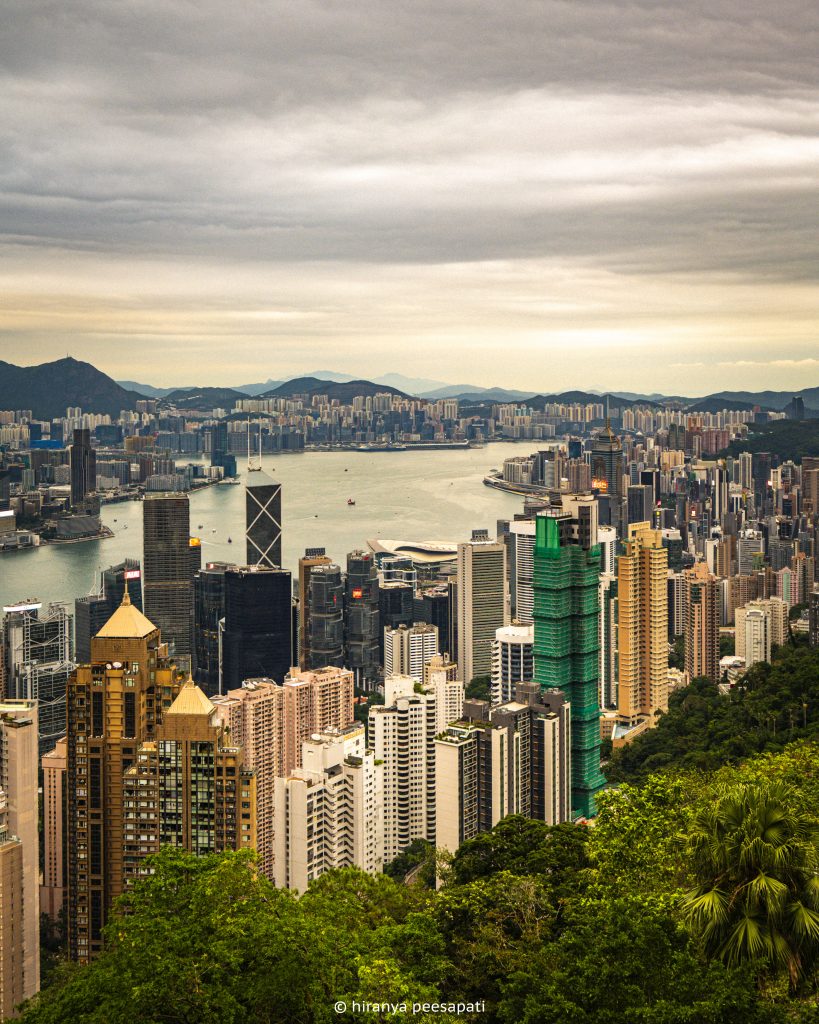
Taking the Peak Tram is a reminder that Hong Kong is as much vertical as it is horizontal. The tracks tilt sharply, the city tilts with them, and for a moment it feels like the towers might slide right off the hill. Then the tram eases into the station, and you are suddenly above it all.
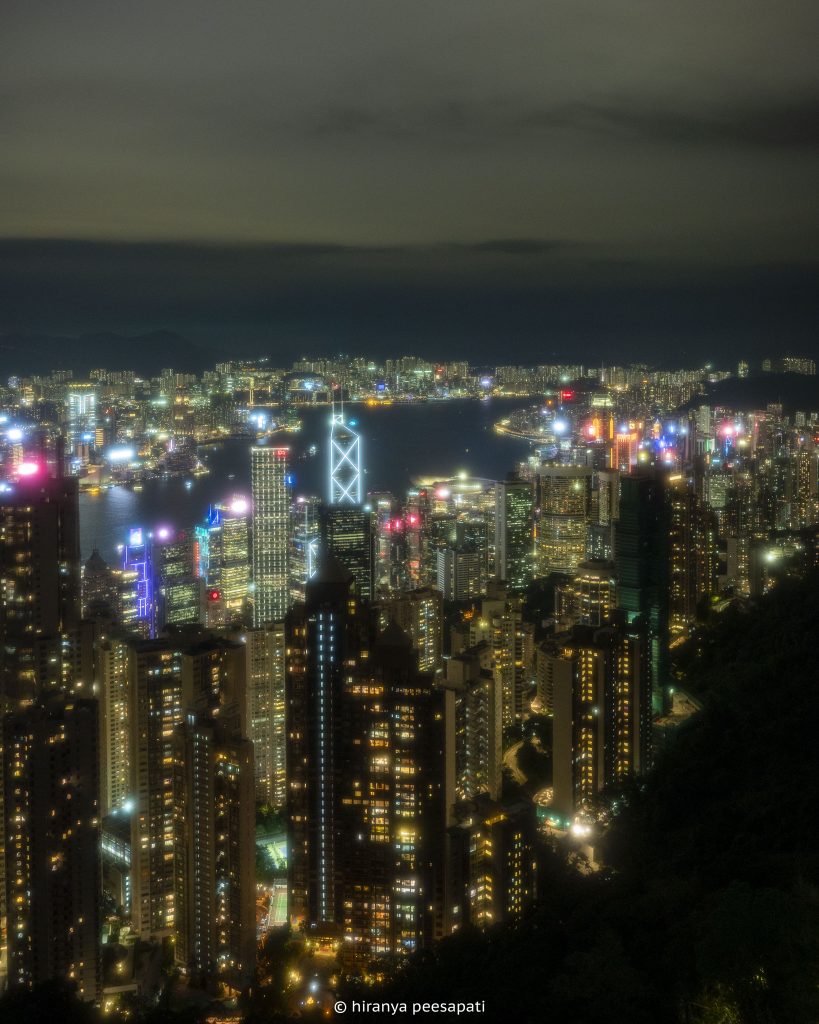
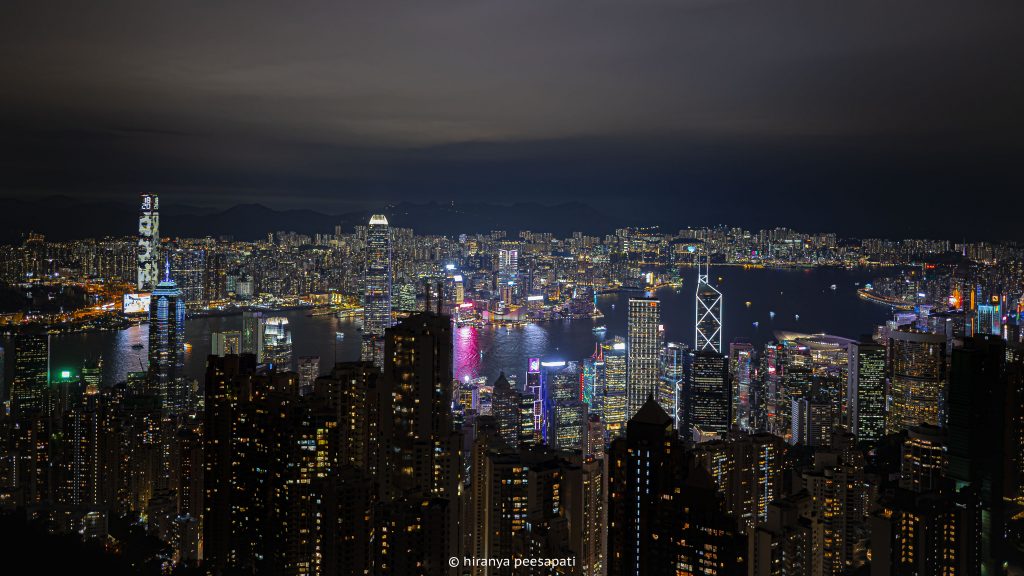
From Victoria Peak, Hong Kong turns into a constellation—clusters of towers, ribbons of road, pockets of darkness between grids of light. The harbor glows in the distance, reflections stretching and bending. It’s the classic postcard view, but standing there in the wind, it feels more like a living circuit board, every light a small story flickering on.
High-rise grids and Yick Cheong Building
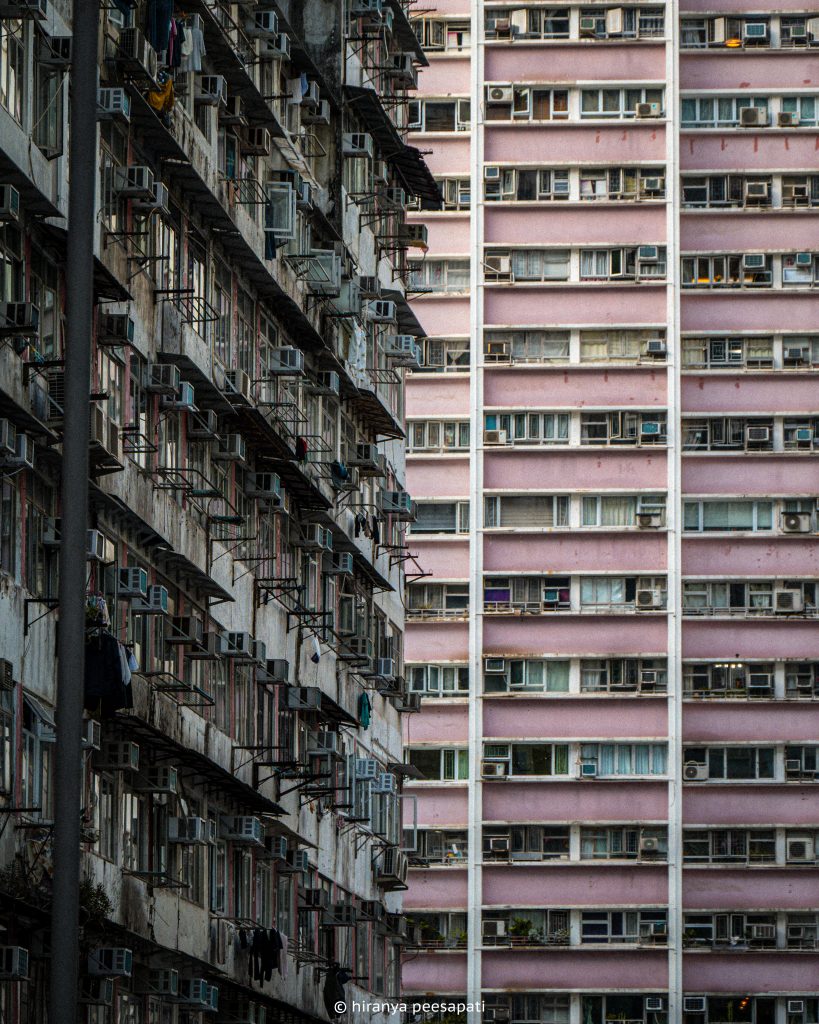
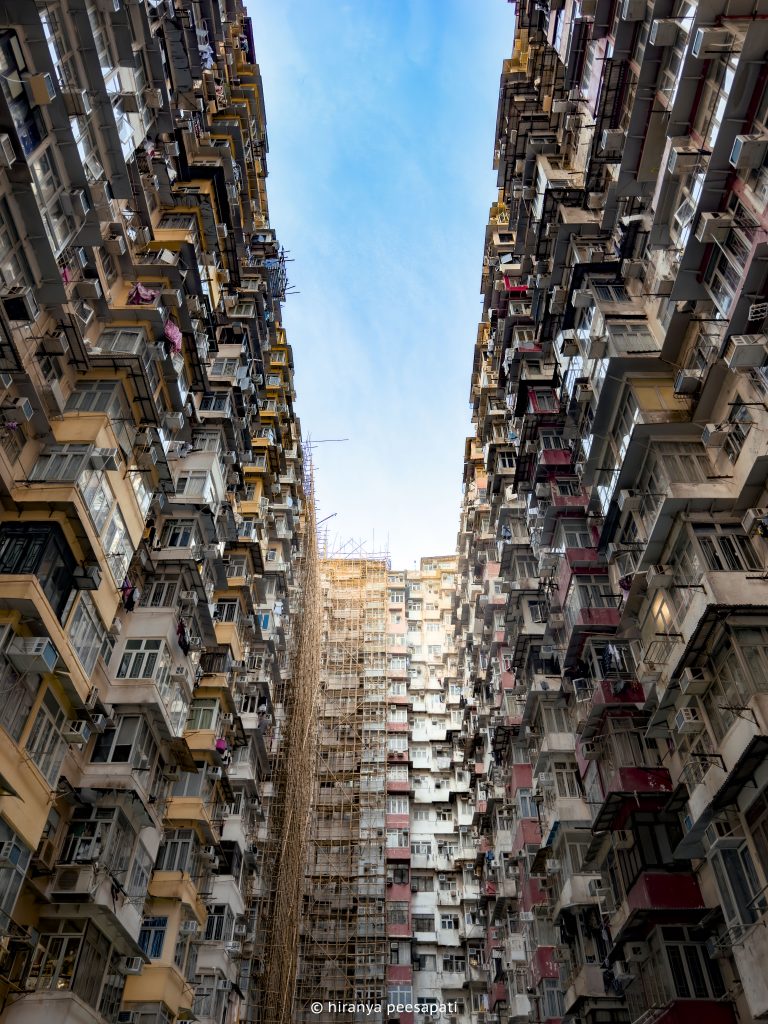
On the ground again, the city’s density becomes the main subject. Massive apartment complexes rise on all sides, repeating windows and balconies into patterns that feel almost abstract. Walking into the courtyard of Yick Cheong Building in Quarry Bay—the one so many people nickname the “Monster Building”—you immediately understand why so many lie flat on the floor to get their shot. There’s no other way to fit that much symmetry into a frame.
It’s everyday life stacked vertically: laundry on railings, plants on ledges, lights switching on one by one as evening settles. From below, the walls feel like they’re folding in; from the camera, they turn into a perfect geometric puzzle. It’s one of those places where the city’s reputation for being “crowded” suddenly looks strangely beautiful.
Skyline glow and harbour reflections
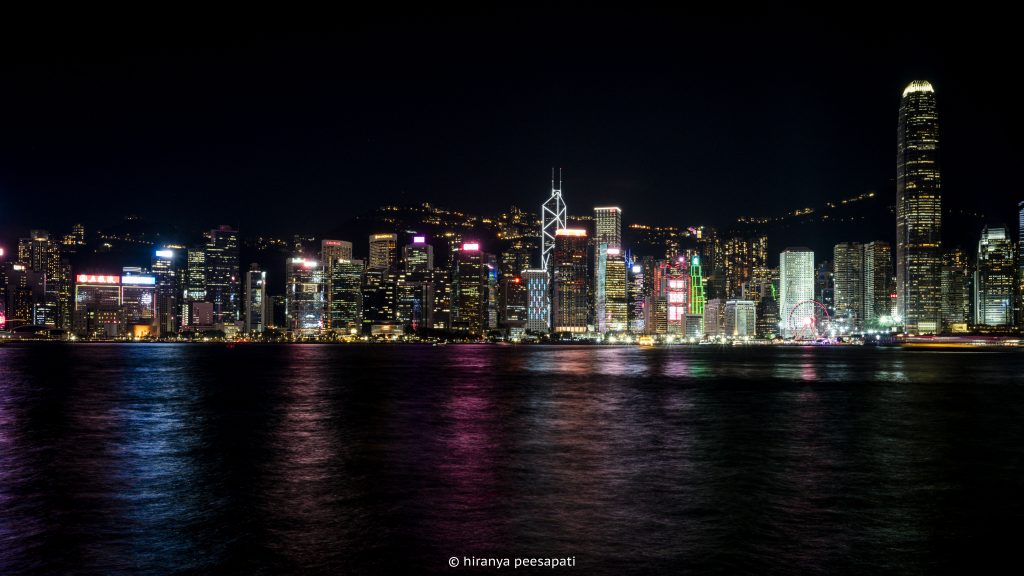
Down by the water, the city rearranges itself into a single, wide view. From the Avenue of Stars, the skyline lines up across Victoria Harbour: towers, logos, lights, all stitched together by their reflections in the water. The surface shifts with every boat that passes, turning the city into a painting that never quite settles.
Standing there, it’s easy to lose track of time. The skyline show is constant, but never exactly the same—color shifts, clouds drift through, a new pattern of lights appears on a tower. For a trip that’s meant to be quick, this is one of those places where you could stand for hours, just watching Hong Kong redraw itself on the harbour.
A layover that wasn’t long enough
Three days in Hong Kong feels like skimming the surface of a very deep city. The checklist is full—Tian Tan Buddha and Ngong Ping Village, trams, temples, markets, the Peak, harbour views, high-rise grids—but it still doesn’t feel like enough. The days move quickly, stitched together by metro lines, tram tracks, and the soft glow of convenience store signs late at night.
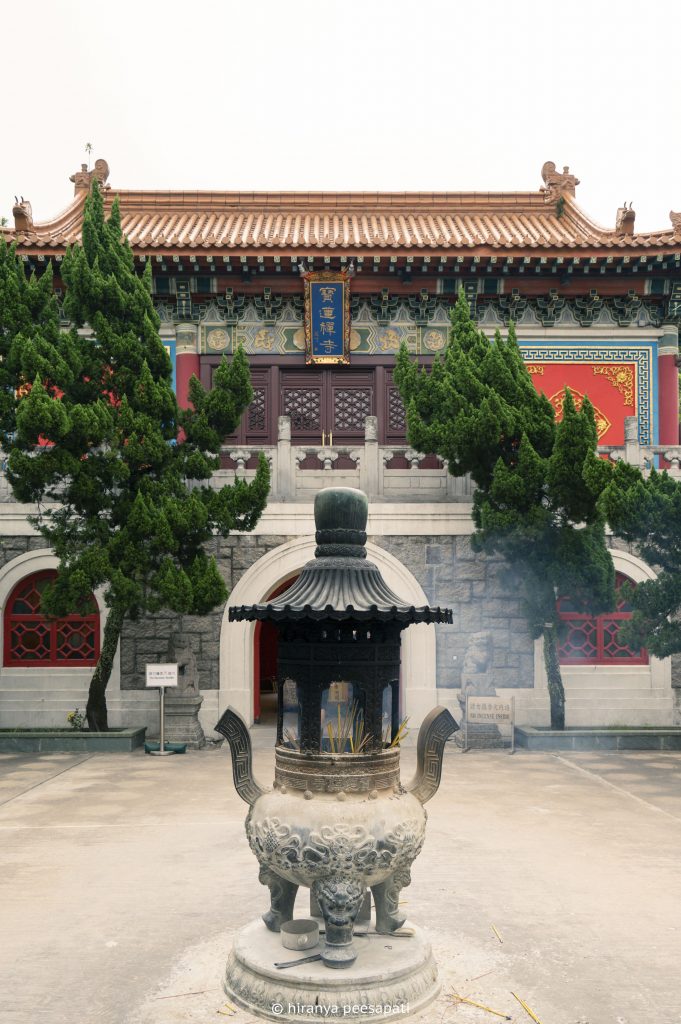
Leaving, there’s a clear thought: this wasn’t just a layover, it was an introduction. There are more courtyards to find, more alleys to follow, more corners of Kowloon and beyond to explore—and an entire side of Hong Kong in daylight that three days can barely touch. The city has already imprinted itself in skylines, grids, and incense smoke, and the only real plan now is simple: come back, stay longer, and let the story go deeper.
Still pictures. Moving stories.
Leave a Reply