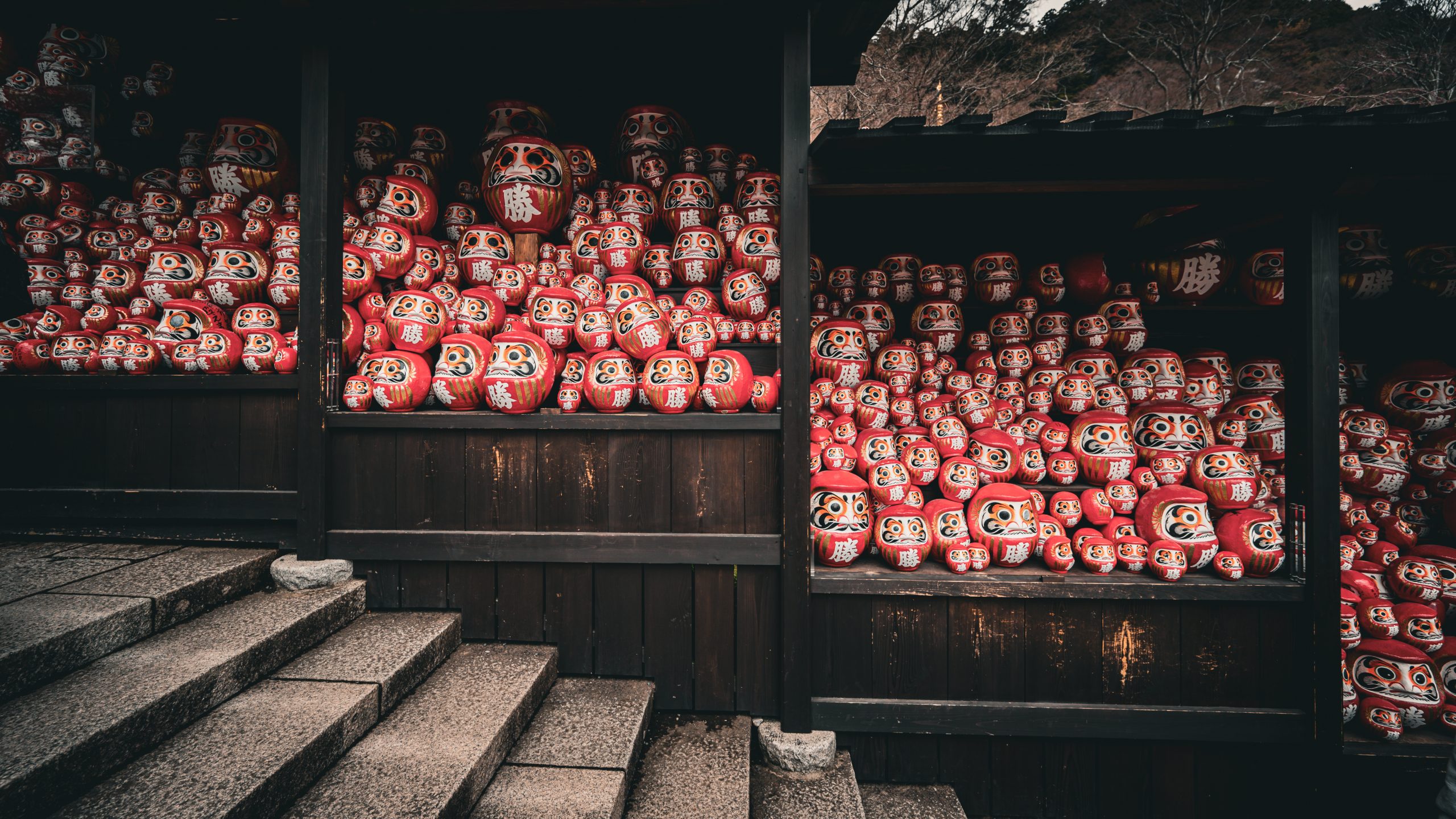
Three years ago, a photograph stopped me mid-scroll. It was a Daruma doll—that familiar red, round figure with its distinctive blank white eyes—and something about its patient, waiting expression captivated me. I spent the next hour falling down an internet rabbit hole, researching Japanese folk traditions, temple pilgrimages, and the spiritual significance of these humble dolls. By the time I closed my laptop, I had added one name to my bucket list with almost ceremonial urgency: Katsuo-ji Temple, hidden in the mountains of Minoh, Osaka.
It seemed like destiny when I realized the temple wasn’t just famous for its spiritual significance—it was famous for its Daruma.
The Legend of Daruma: More Than Just a Cute Doll
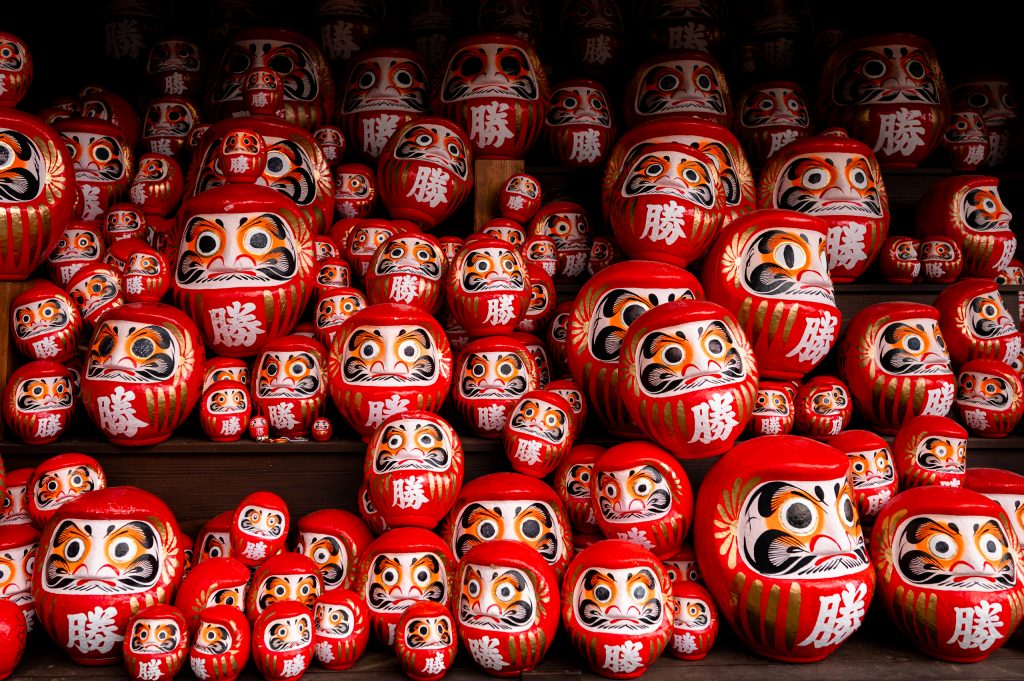
Before boarding that early morning train, I needed to understand what I was walking toward. The Daruma doll is far more than a trinket. It’s a living connection to one of Buddhism’s most profound stories.
These iconic figures represent Bodhidharma, a Buddhist monk credited with bringing Zen Buddhism from India to China around the 5th century. The legend is almost impossibly beautiful in its dedication: Bodhidharma sat facing a wall in meditation for nine consecutive years, so committed to his spiritual practice that his limbs eventually atrophied from disuse. His form—round, limbless, grounded—became the template for every Daruma ever crafted. They are, in essence, sculptures of pure determination.
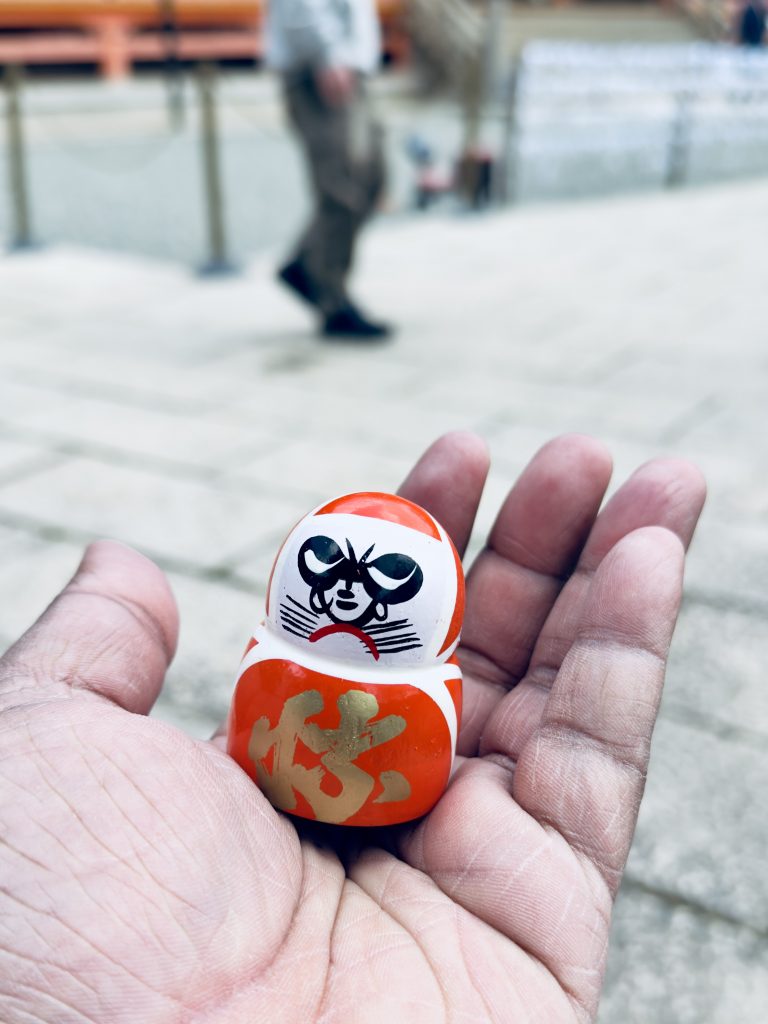
Then came the eye-painting ritual. When you purchase a Daruma, it arrives with blank, empty eyes—a canvas for your intention. You paint the left eye when you set your goal, and only when that goal manifests do you paint the right eye, completing the circle. It transforms a decorative object into a sacred accountability partner, watching you from your desk or shelf, reminding you every single day that your dream is worth the effort.


The 6 AM Decision
My alarm was set for 6:00 AM. I wanted to reach Katsuo-ji before the tour buses did—before the spiritual quietude was punctured by the sounds of group photography and scheduled reverence. There’s something about visiting sacred places in their unguarded moments, when the energy still belongs primarily to the place itself rather than the visitors.
The bus wound upward through increasingly thick forest. The hilly roads twisted back on themselves, climbing higher with each turn. My heart rate increased—partly from the elevation, partly from anticipation. The other passengers seemed unbothered, reading their phones or gazing out windows with the comfortable familiarity of routine. For them, this morning climb was just the beginning of their workday. For me, it felt like pilgrimage.
When I stepped off the bus and saw the forest path ahead, I understood why the monks chose this location a thousand years ago. You couldn’t reach this temple by accident. You had to want to reach it.
The Moment Everything Changed
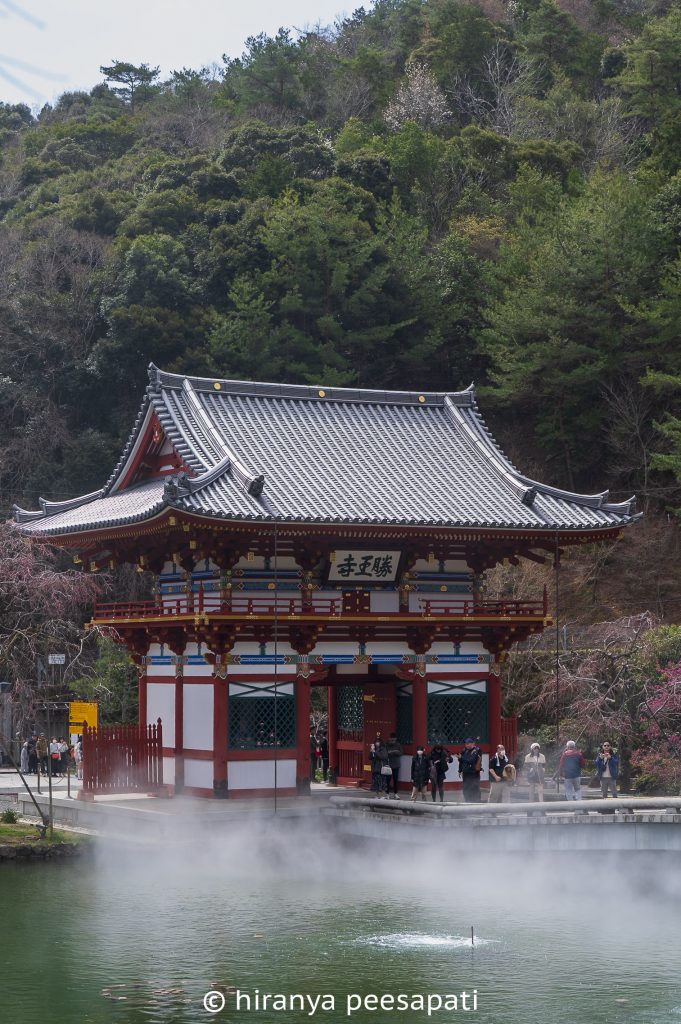
I’ll never forget my first glimpse of Katsuo-ji Temple. The forest opened up before me, and there it was—the main temple structure revealing itself gradually, framed by ancient trees and morning mist, nestled into the hillside like it had grown from the earth itself.
And then I heard it.
The holy chants. Deep, resonant voices moving through the morning air like a frequency that bypassed my ears and went straight to my chest. The monks were already at their practice, had probably been at it for hours before the sun rose, would continue long after I left. The sound vibrated through the entire temple grounds, creating an atmosphere so thick with intention and reverence that I actually had to pause and take a breath.
Katsuo-ji: The Temple of Victory
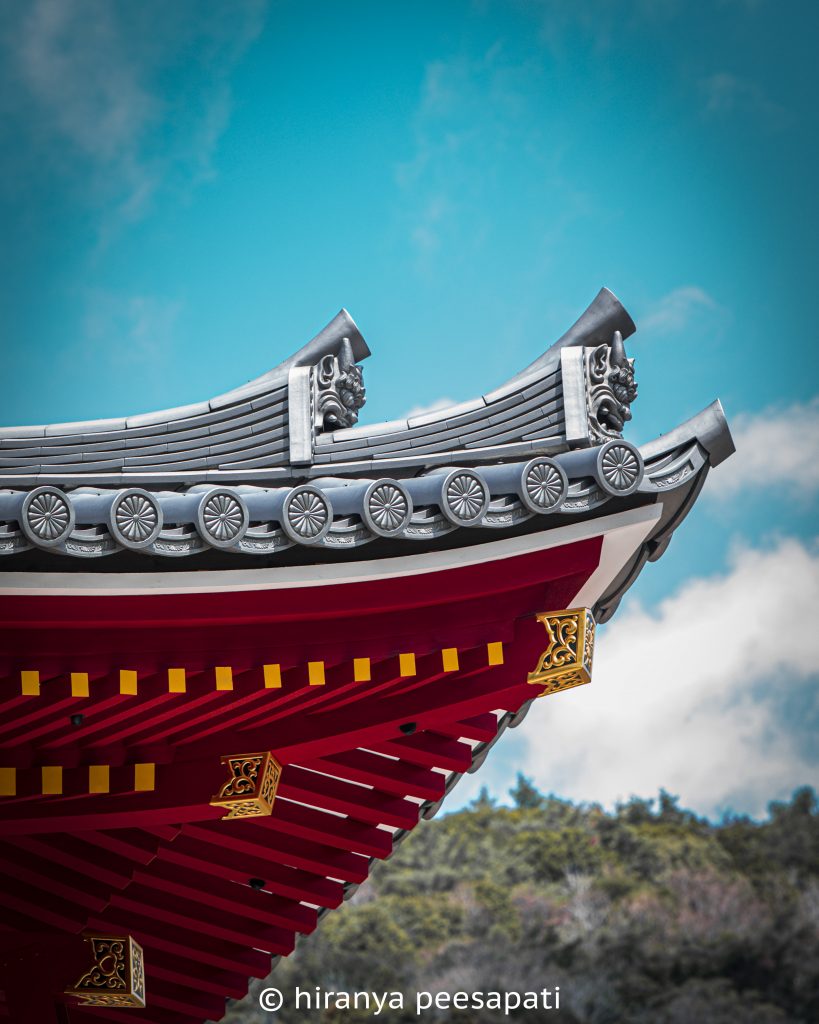
Walking through the temple grounds, I began to piece together its history. Katsuo-ji was founded in 727 AD when two Buddhist brothers established a hermitage in these mountains. But its true power emerged centuries later, in the 9th century, when Emperor Seiwa fell desperately ill. The monks prayed with such fervent dedication that the Emperor recovered, attributing his healing to their spiritual intervention. In gratitude, he renamed the temple “Shōō-ji” or “Temple of the Victorious King.”
The monks, feeling the title was too grand for their humble practice, changed one character in the kanji, shifting the meaning slightly but keeping the homophone—transforming it to “Katsuo-ji” still meaning victory, but with a more modest spirit. It’s a beautiful detail: even at the moment of imperial blessing, they chose humility.
The Daruma Path: Walking Through Others’ Wishes
As I climbed higher toward the inner temple, I began to notice them everywhere—hundreds of small red Daruma dolls tucked into alcoves, balanced on railings, clustered on dedicated shelves. Each one was someone’s wish. Each one represented a human being who had stood where I was standing, carrying hopes they couldn’t quite voice, seeking the spiritual permission to believe in their own potential.


Fortune Telling and the Honest Truth
At the temple shops, I purchased a small Daruma—just the right size to fit in my palm. The shopkeeper, who had likely conducted this same transaction ten thousand times, explained that each Daruma contained a fortune slip tucked inside its hollow belly. With a knowing smile, she added: “But don’t be disappointed if it’s not always positive.”
Sometimes we need to hear that we’re facing challenges we haven’t acknowledged yet. Sometimes we need to be told that our path is harder than we want to admit. Real spiritual growth doesn’t come from positive affirmations—it comes from honest reflection.
“It is better to conquer yourself than to win a thousand battles. Then the victory is yours. It cannot be taken from you.”
Postcards from the Sacred: Collecting Memories
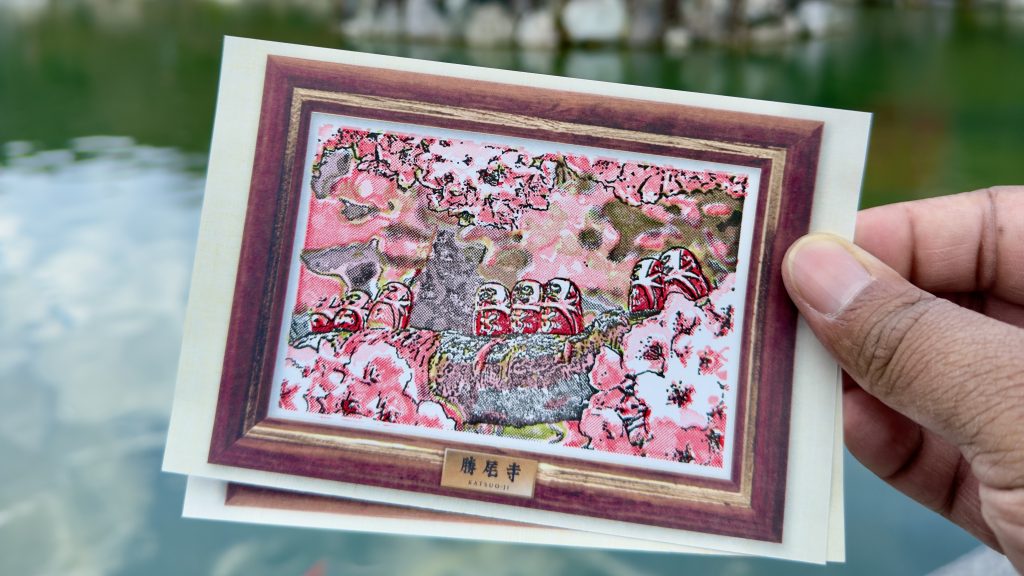
When you enter the temple grounds, I discovered a tradition I hadn’t anticipated: layered postcard stamps.These aren’t your ordinary souvenirs. At Katsuo-ji, visitors can collect special postcard stamps as proof of their pilgrimage, each one uniquely designed to capture the spirit of the temple. I carefully stamped my card, watching as the ink transferred onto the paper—a physical record of my presence, my intention, my journey.
A Must-Visit for the Soul
If you find yourself in Osaka with time to explore beyond the city’s glittering commercial center, Katsuo-ji Temple is non-negotiable. This isn’t just another tourist checkpoint. It’s a place that whispers to something deeper inside you—that part that knows you’re capable of more, that understands the power of intention, that believes in transformation.
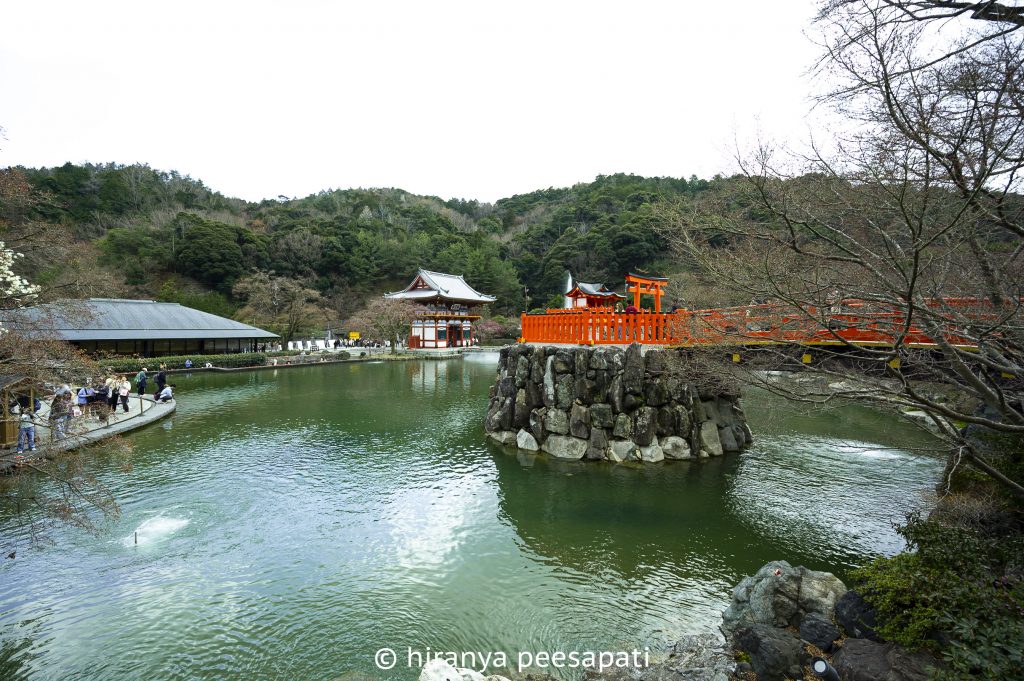
Come in the early morning, before the crowds arrive and the sacred silence is broken. Walk slowly up the stone paths. Stop and really look at the Daruma dolls, understanding that each one represents a human heart somewhere, beating with hope and determination. Sit by the koi pond. Listen to the chants. Paint an eye. Make your wish.
And then—this is the important part—go out into the world and do the work necessary to paint the second eye.
Because Katsuo-ji doesn’t grant wishes. It reminds us that we already have everything we need to achieve them.
Leave a Reply